Why England should take the plunge into recreational water
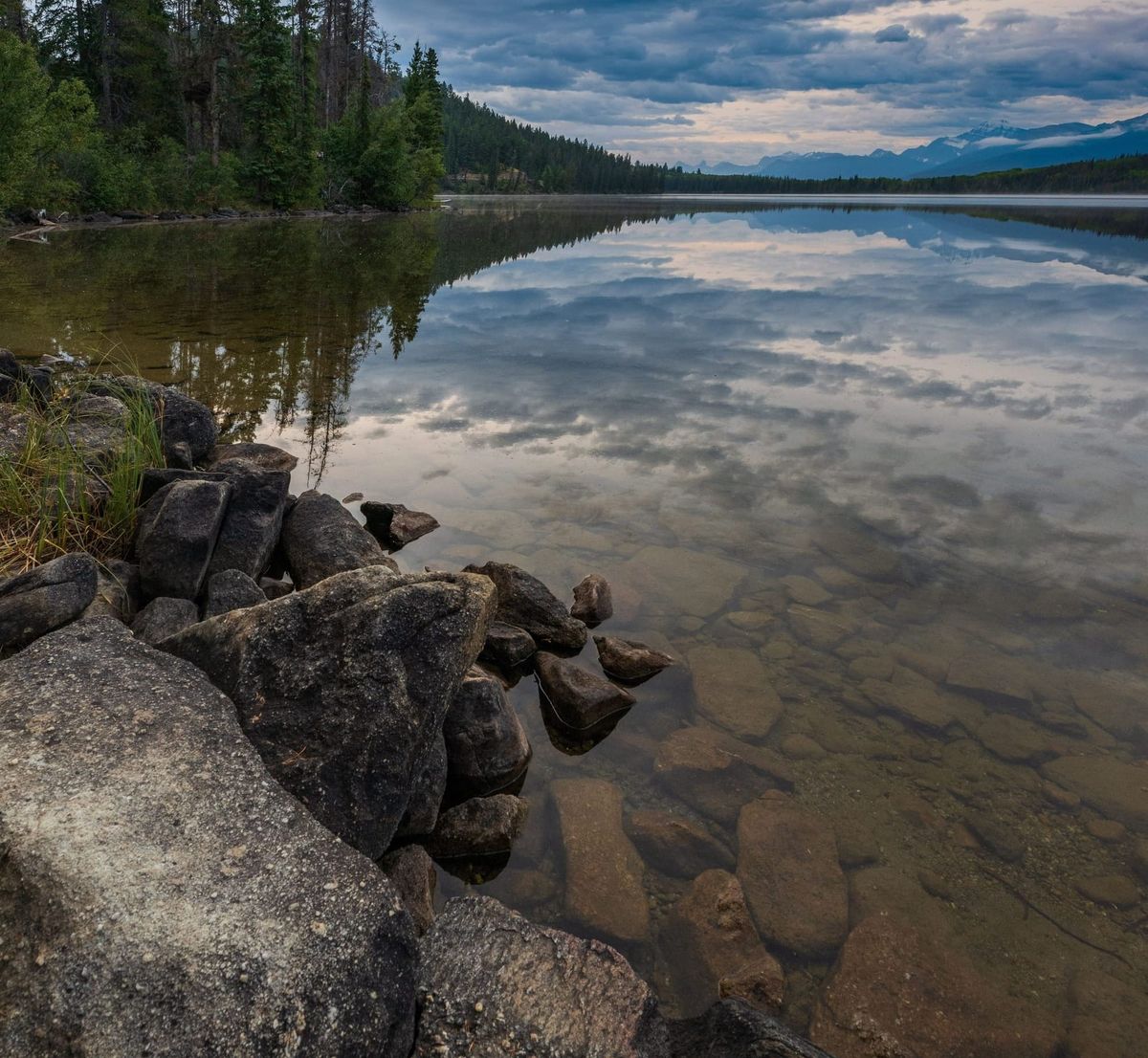
Over the summer, I went to Canada for three weeks. It was amazing! I saw bears, ate delicious food and saw some fantastic scenic views and landscapes. I also went swimming in Eleanor Lake in Blue River, Summit Lake near Nakusp and in Steelhead Provincial Park. It reminded me of the times I spent at a lake in Germany with my friend and her dog. Most importantly, it made me think about how we in England use our lakes and rivers.
When I talk about lake swimming here, I'm not talking about swimming far out into cold, deep water, I mean enjoying the lake from the shallows. Whether it be paddling, swimming or relaxing on the beach, people living away from the coast should still have access to bathing water, especially in this hot weather. Unfortunately for the English, our swimming waters are five times worse than those in the European Union [1]. Furthermore, where the water is of a good standard, it may not be accessible to the public, like nearly 75% of English riverbanks [2]. Whilst England has an abundance of waterways, ordinary people cannot easily access them for recreation. The water that can be accessed present their own issues. For instance, it is positive that Rutland Water has a designated beach area, however the parking is very limited on hot days as it gets extremely busy. In contrast, accessing the Canadian lakes I visited with my family was much simpler. Parking was free and some lakes even had wooden swimming rafts with slides attached. There were also small food outlets where you could buy something inexpensive to eat, but the lake itself did not require spending money other than on fuel or electricity for the car you drove there in. So, why does enjoying nature and water in England so often come with a price tag?
As climate change brings warmer summers and more frequent periods of extreme heat, the question of access to water becomes increasingly important. If people are going to need places to cool down, exercise and spend time outdoors, should suitable lakes and rivers be treated as a public amenity rather than another commercial leisure activity? Access to clean water should not necessarily mean paying for an expensive day out, particularly when simply sitting on a beach, paddling in the shallows or cooling off does not require costly facilities. We do not need to turn every body of water into a bathing facility, but we do need to increase the number of spaces for people to use and the ease of which they can access these facilities. Doing this would also achieve a number of other objectives that the UK government has set out. It could form part of the Environmental Improvement Plan, which aims to "restore nature", "improve environmental quality and security" and "make nature easier for everyone to access" [3]. It could support the 'Every Child Can' programme [4]. Finally, it would improve the health and wellbeing of adults in England, which is positive on many levels, including reducing the level of strain on the NHS and contributing to longer, happier lives.
I loved my travels this summer, but as always, they make me consider my homeland. Where can we improve, and where do we set the standard? (plugs, for instance!) I really hope that one day I can have the same evening and weekend experiences by the water in England as I have enjoyed abroad.
By Natasha Callis
[1] https://bestforbritain.org/new_depths_england_s_swimming_waters_five_times_worse_than_eu_s/
[3] https://www.gov.uk/government/publications/environmental-improvement-plan-2025