Explainer - The Price of Progress: All About the Budget
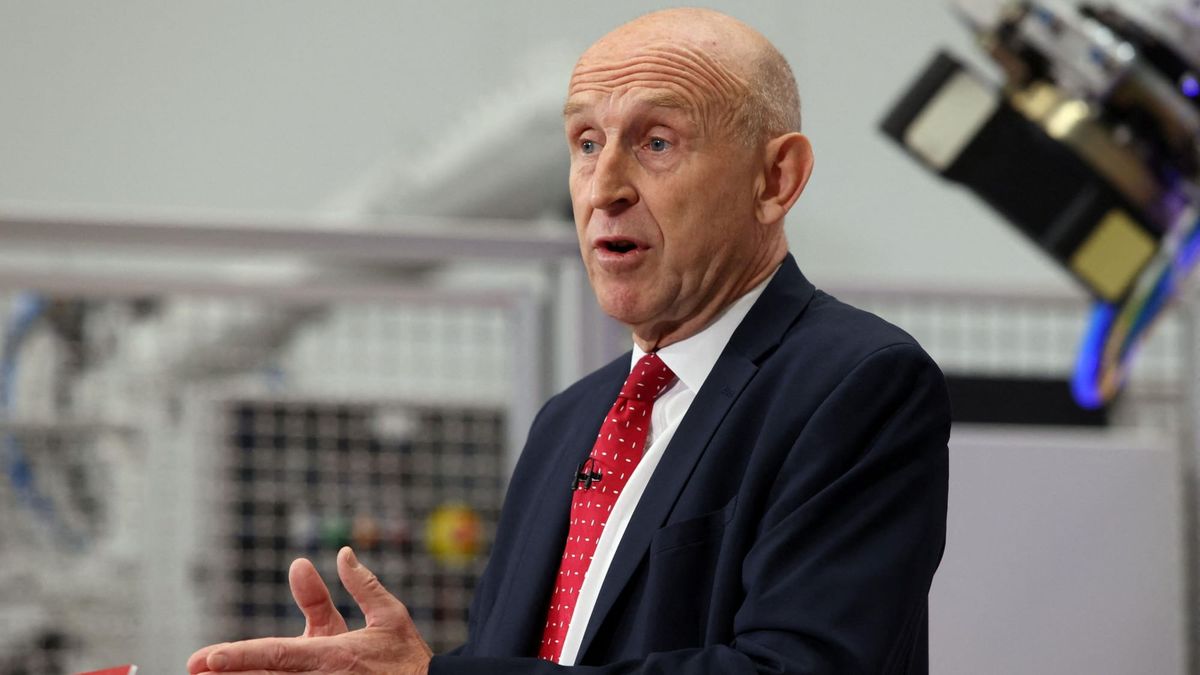
On Wednesday 28 October 2026, Chancellor John Healey will present the UK's Autumn Budget, outlining plans for taxation, public spending and economic growth. Amid tight public finances, rising government borrowing costs, with UK 10-year gilt yields at their highest since 2007, and the need to fund deteriorating public services, the Budget will need to tread a fine line, aiming to improve living standards without allowing national debt to get out of control...
Britain's Economic Challenge
The UK economy faces a dilemma: while economic growth could create jobs and increase tax revenue, households continue to feel the pinch of high living costs. The government must also manage its spending carefully. The UK government's total debt exceeded £3 trillion for the first time in September. However, as a share of GDP, it fell to 94% from 94.7% a year earlier. New borrowing has also continued to decline as a share of economic output, falling to 3.1% in the first half of the fiscal year from 3.4% in the same period a year earlier. A budget deficit, when public expenditure exceeds revenue, adds to government borrowing, while national debt represents the accumulated stock of borrowing. Servicing this debt requires interest payments, which can leave less money available for public services such as the NHS, education and transport.
Taxation: Who Pays?
Taxation is sure to be a major talking point in the Budget. While Labour's manifesto pledged not to raise the main rates of Income Tax, employee National Insurance contributions or VAT, other taxes and changes to tax thresholds and allowances can still affect how much individuals and businesses pay.
Income Tax is paid on taxable income, while National Insurance contributions are separate payments linked to employment and certain other circumstances. VAT is a consumption tax on goods and services, affecting the prices consumers pay.
Another important fiscal issue is fiscal drag. This occurs when tax thresholds are frozen in cash terms, meaning that as nominal wages rise, more income may be taxed at higher rates. If wages rise only in line with inflation, real wages remain broadly unchanged; however, fiscal drag can reduce workers' take-home pay relative to what it would otherwise have been.
The Chancellor must consider not only how much tax individuals and businesses pay, but also how the tax burden is distributed and whether particular taxes discourage employment, investment or economic activity.
Households and businesses: who needs support?
For many families, the Budget's importance lies in whether the government can ease the pressure of everyday expenses, including housing and food. The impact of any support will depend on which households qualify and how much assistance they receive.
For businesses, higher costs can affect decisions about hiring and expansion, while greater certainty over taxation and economic policy can help firms plan and invest. Investment can also help boost productivity, or the amount of output produced per worker. Higher productivity can enable businesses to increase wages, raise profits and generate additional tax revenue, although these benefits are not automatic.
While measures that support investment, skills and productivity could benefit the economy in the long term, additional public spending must be weighed against its fiscal cost. The government will need to consider whether its proposals are affordable, credible and likely to deliver value for money.
The importance of economic forecasts
Alongside the government's taxation and spending proposals, the independent Office for Budget Responsibility (OBR) will publish updated economic and fiscal forecasts. These will cover areas including economic growth, inflation, government borrowing and tax revenue.
The forecasts matter because they help determine how much revenue the government can expect to receive and whether it is on course to meet its fiscal rules. If the economy grows more slowly than expected, tax receipts may be lower than forecast, potentially forcing the government to reconsider its plans. Conversely, stronger growth could increase revenue, although the effect will depend on the sources of that growth.
The government's fiscal rules also shape the Budget by setting constraints on borrowing and requiring public finances to remain sustainable. The Chancellor's available fiscal headroom, or the amount by which the government can meet its fiscal targets, will therefore be an important indicator of the room for manoeuvre in the Budget.
A defining moment for Britain?
Ultimately, the Budget is about more than changes to the taxes people pay or the money allocated to public services. It reflects the government's priorities and its approach to the economic challenges facing the country.
Lower taxes may leave households and businesses with more money to spend or invest, but they can also reduce government revenue. Higher public spending may improve public services or support future growth, but it must be financed through taxation, borrowing or the reallocation of existing resources. The government must therefore weigh the needs of different groups against the long-term sustainability of the public finances.
As the Budget approaches, attention will focus on whether the Chancellor can support households, encourage investment and improve public services while maintaining fiscal credibility. Its longer-term success will depend on whether the measures announced translate into stronger productivity, sustainable public finances and improved living standards for all.
By Habiba Behery
References:
Institute for Government. (n.d.). Budgets. [online] Available at: https://www.instituteforgovernment.org.uk/explainer/budgets [Accessed 23 Oct. 2026].
Kenton (2021). Fiscal drag. [online] Investopedia. Available at: https://www.investopedia.com/terms/f/fiscal-drag.asp [Accessed 23 Oct. 2026].
Office for Budget Responsibility (2022). Office for budget responsibility. [online] Office for Budget Responsibility. Available at: https://obr.uk/ [Accessed 23 Oct. 2026].
Milliken, D. (2026). UK bond yields soar to multi-decade highs on fresh Mideast conflict. Reuters. [online] 10 Sept. Available at: https://www.reuters.com/world/uk/uk-10-year-gilt-yield-hits-new-19-year-high-2026-09-10/ [Accessed 24 Oct. 2026].
Hannon, P. (2026). U.K. government on track to cut borrowing ahead of budget —Update. [online] Morningstar, Inc. Available at: https://www.morningstar.com/news/dow-jones/202610211461/uk-government-on-track-to-cut-borrowing-ahead-of-budget-update [Accessed 24 Oct. 2026].