Who owns the past?
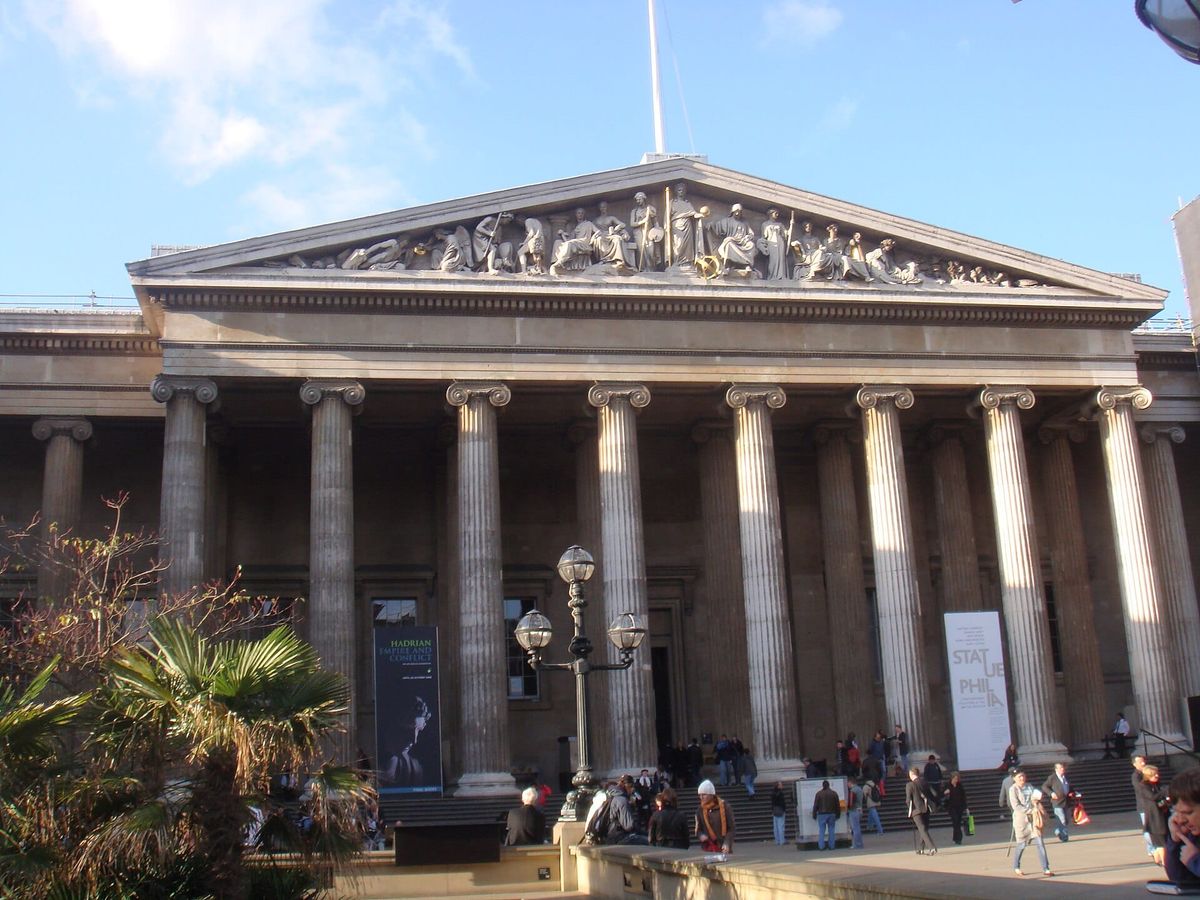
Walk into any of the major British museums and you will find thousands of years of history from across the world without leaving the building. Ancient Greek sculptures and Egyptian artefacts sit metres from each other but the stories behind some of these objects cause uncomfortable questions to come to the surface. Does it belong here?
Many of the artefacts in these museums were not simply collected but actively taken. In 1897, British forces invaded Benin city and took thousands of statues and ceremonial objects whilst burning the royal palace. The British Museum has acknowledged that the city was plundered but even still the British Museum houses more than 900 objects from the historic Kingdom of Benin. Cases such as this make it difficult to see why the British Museum should be able to keep these artefacts as they were not exchanged or given freely, but rather forcibly taken - seen as the righteous spoils of a colonial military expedition.
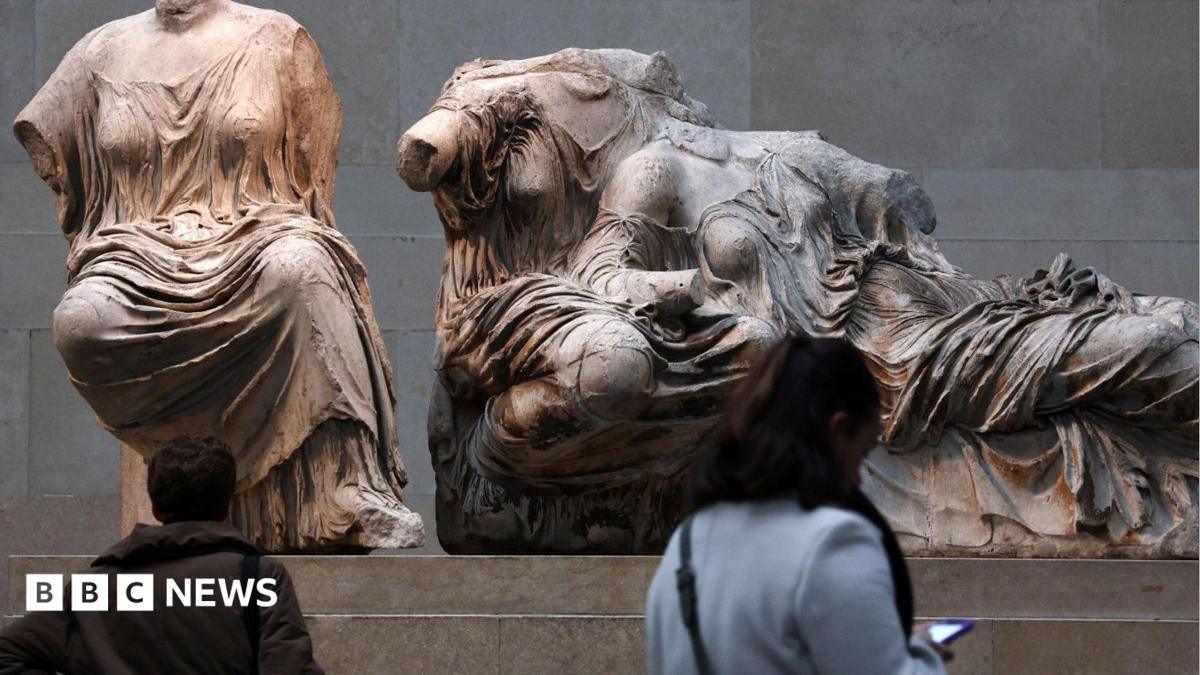
Yet the British Museum has not given many of these objects back as it is a ‘world museum’ with objects from different civilisations from across the globe. The Parthenon sculptures are displayed in the British Museum which allows millions to see the statues and understand Ancient Greek civilisation further and they argue that these ancient statues are part of humanity’s shared heritage not belonging to one specific country. However, the argument of ‘shared heritage’ becomes far less convincing when an object’s history is rooted in violence, particularly when those responsible for that violence retain possession of objects that are deeply valued and sacred to the oppressed, as is the case with the Benin Bronzes.
There are signs of change in museums' attitudes towards their collections though. On the 8th of February 2026, Cambridge University transferred legal ownership of 116 Benin artefacts to Nigeria which makes the British Museum's position increasingly difficult to defend. If other major British institutions are giving back what was taken through colonial violence then why should this principle not be applied more widely?
In June 2026, a new UK Parliament petition called for the British Museum Act to be changed specifically so that artefacts acquired through colonial rule or conflict would be returned to their countries of origin.
This question of who owns the past should be focused on what we choose to do now with the knowledge of the history we have. The British Museum argues that retaining objects from across the globe is critical to its status as a ‘world collection’, while it has also previously argued that some countries lack the facilities to house these ancient artefacts. However, this justification is increasingly difficult to sustain. The Acropolis Museum, for example, has a dedicated space awaiting the return of the final Parthenon sculpture, while Egypt’s Grand Egyptian Museum, opened to the public in 2025, provides a purpose-built institution capable of housing and preserving the country’s historic artefacts.
The argument that the objects are kept in British museums for safekeeping is now, in many cases, obsolete. New technology is being implemented in new museums which makes them capable of housing these artefacts. There is a point where ownership matters more than convenience. Museums should have objects from around the world but that doesn’t mean that they should keep objects attained through violence, exploitation and looting or when the countries of origin have personally asked for them to be returned and have the facilities to house them correctly.
Although returning these objects that were taken through violence doesn’t erase British history; if anything it forces us to confront it. Archeological discoveries should be about understanding the past not continuing to benefit from its injustices.
By Eleanor Swann
 Jessica Keating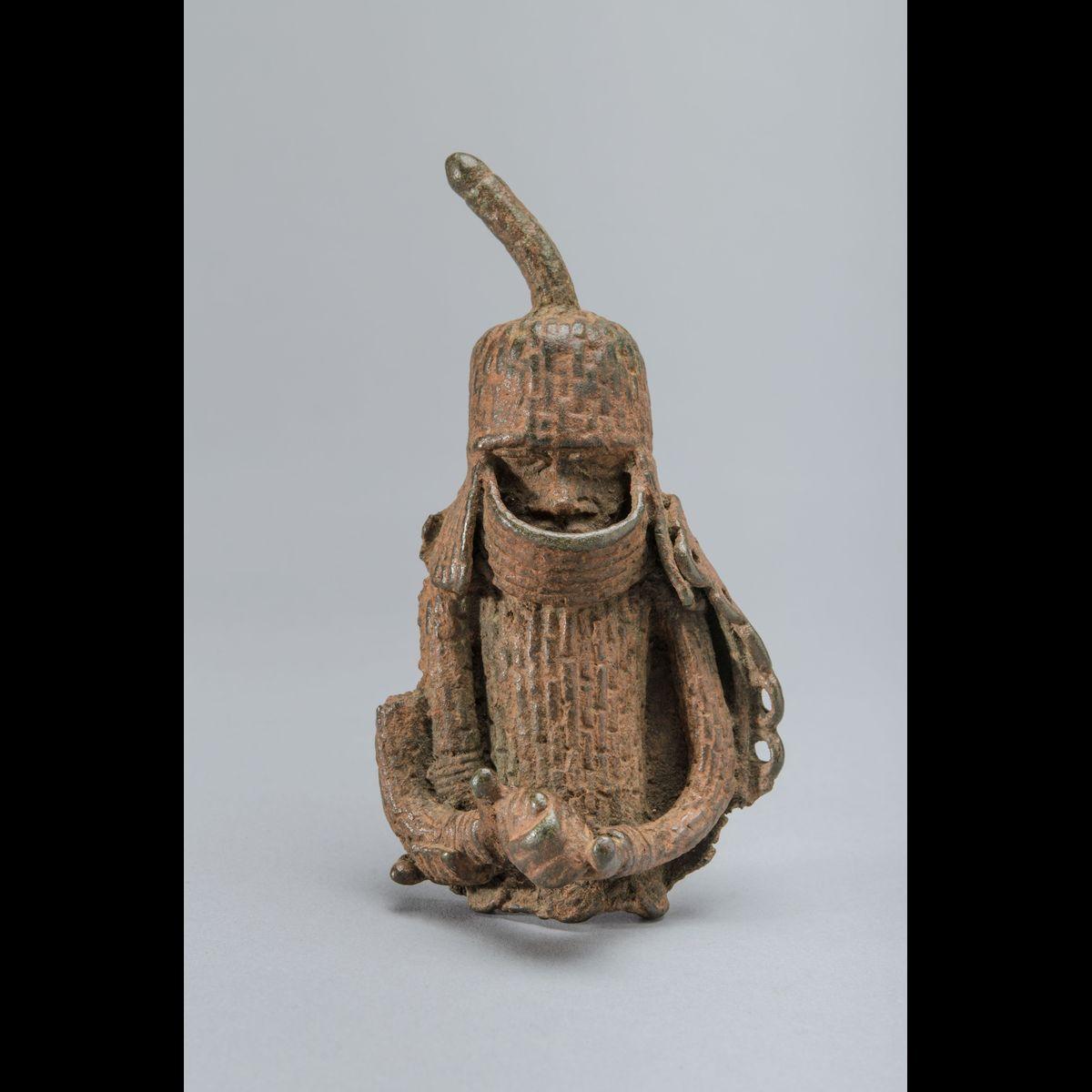
 Sean Seddon and Kostas Koukoumakas