What Would a "Number 10 North" Look Like?
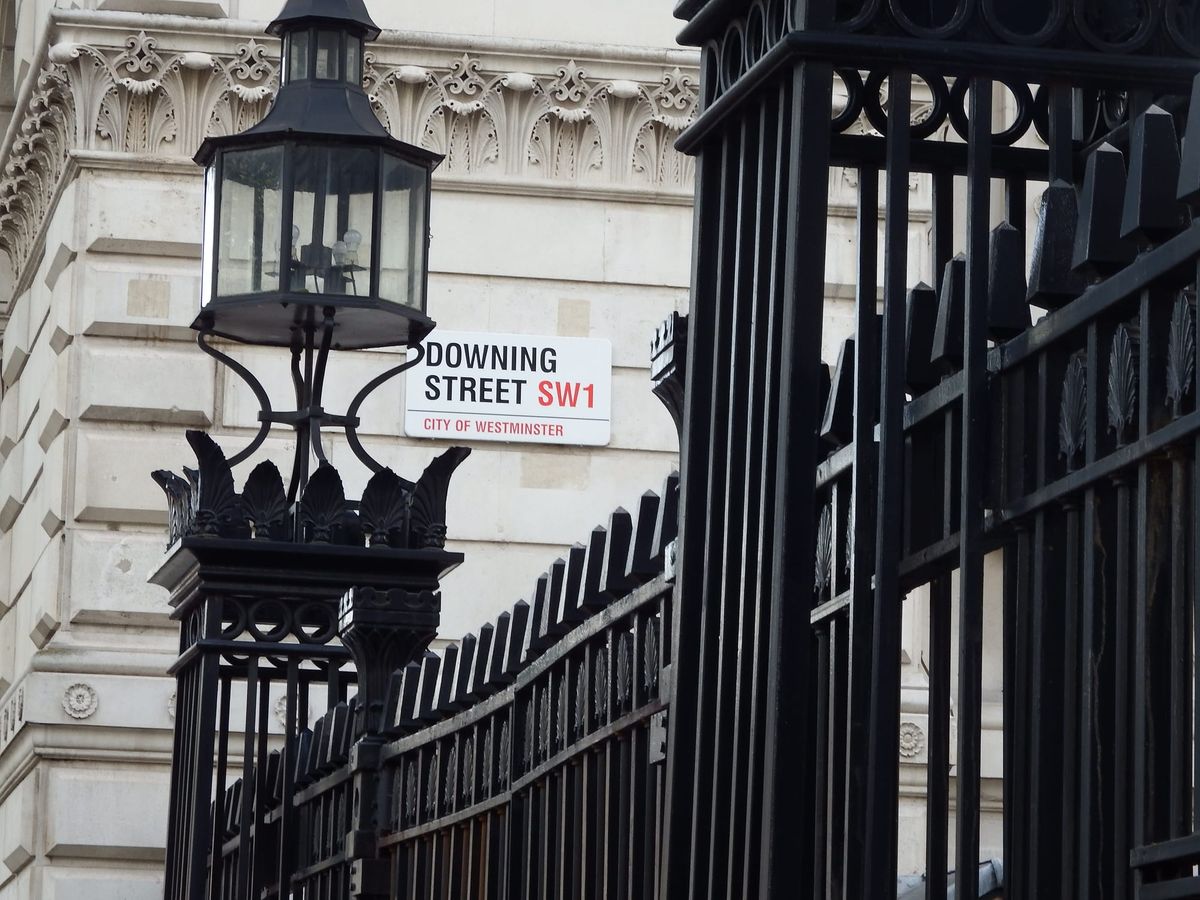
Front runner for the position of prime minister, Andy Burnham has made the headlines recently for his proposition of a “Number 10 North”, which would see a branch of the Prime Minister’s Office based in Manchester. He promises “a more streamlined state with a clearer purpose” and a “laser-like focus on growth and regeneration”.[ii] This would come after years of high rates of economic inactivity, education and skills gaps, and a distinct lack of capital investment across areas in the North of England. But are decentralisation and the devolution of power genuine solutions to the UK’s productivity puzzle, or merely an example of radical language that promises systemic reform with the hope of securing political support?
Those optimistic of a “Number 10 North” are hopeful of the potential for growth and investment to be directed into areas that need it most, helping to improve living standards in some of the most deprived areas of the country. From, housing to transport, outside of London the limited supply of infrastructure has stifled growth for years. Whilst London benefited from investment in the services sector, other regions have been left behind with the shift away from manufacturing. We know that there’s a positive correlation between investment and productivity, and therefore it is vital that the government utilises this and are more intentional with how and where they invest the tax-payer’s money.
It is hoped that a smaller and more efficient state would empower communities and help to address specific problems that disproportionately impact communities that aren’t on the doorstep of Westminster. For instance, the risk of flooding in Yorkshire is far greater than in central London. Similarly, whilst public transport in London is everywhere you look, the same cannot be said for more rural areas like Cumbria and Northumberland. It seems logical, therefore, that regional problems would not have national solutions, and that a devolution of power could help to fix discrepancies in productivity across the nation, leading to a net increase in growth.
However, the concept poses problems; Burnham has not clarified which decisions would be made in Manchester and which would remain in London, leading critics to question where regional authority would begin and end. A devolved regional authority could gain power over services that extend well beyond its county lines, affecting neighbouring regions through services such as rail fares, or reservoirs that supply several regions. This could prove problematic as it would directly affect the lives of passengers and consumers who did not elect the representatives making those decisions.
It is also important to note that decentralisation as a concept does not guarantee fairer distribution of resources, and in fact, it could end up exacerbating regional inequality. Greater devolution could intensify competition between local governments, which could result in some postcodes being outcompeted. Wealthier areas might be more successful at attracting further growth, leaving poorer areas at risk of falling behind, restricting their potential to escape poverty.
It is important to note that it is unclear whether Burnham does actually want full decentralisation. However, even if his plan was limited to creating a northern office, it still comes with unavoidable costs. Relocating staff, new buildings, the cost of disrupting current operations. Some argue that these administrative costs are worthwhile investments in order to achieve growth and finally improve productivity. However, critics question whether the move is unnecessary and the money would be better spent in direct investment into housing or infrastructure, which can be managed from Westminster thanks to the current system where regions are represented by their MPs. Ultimately, the debate to be held is not whether the North deserves greater investment – as it undoubtedly does – but whether decentralisation of power is the best way to deliver said investment.
By Isabelle Borg
[i] https://www.rawpixel.com/image/6035256/photo-image-public-domain-free-travel