The troubling truth of political extremism
In a world of polarised political views and the existential rise of populism, we are becoming a more divided society, with increasing risks of politically motivated violence. Recent cases have involved the murder of David Amess, Conservative MP, in 2021 and Jo Cox, Labour MP, in 2016, and their brutal murders were purely as a result of their political views. It may well be that Ann Widdecombe, a former Conservative MP and a member and spokesperson of the Reform Party, was also a victim of politically motivated violence.
How does this reflect on societal values today, and what will the effect be on freedom of speech going forward?
These have been crimes that have been committed by both the left and the right of the political spectrum. How are our politicians expected to be able to freely express their viewpoints if, ultimately, this puts their lives at risk?
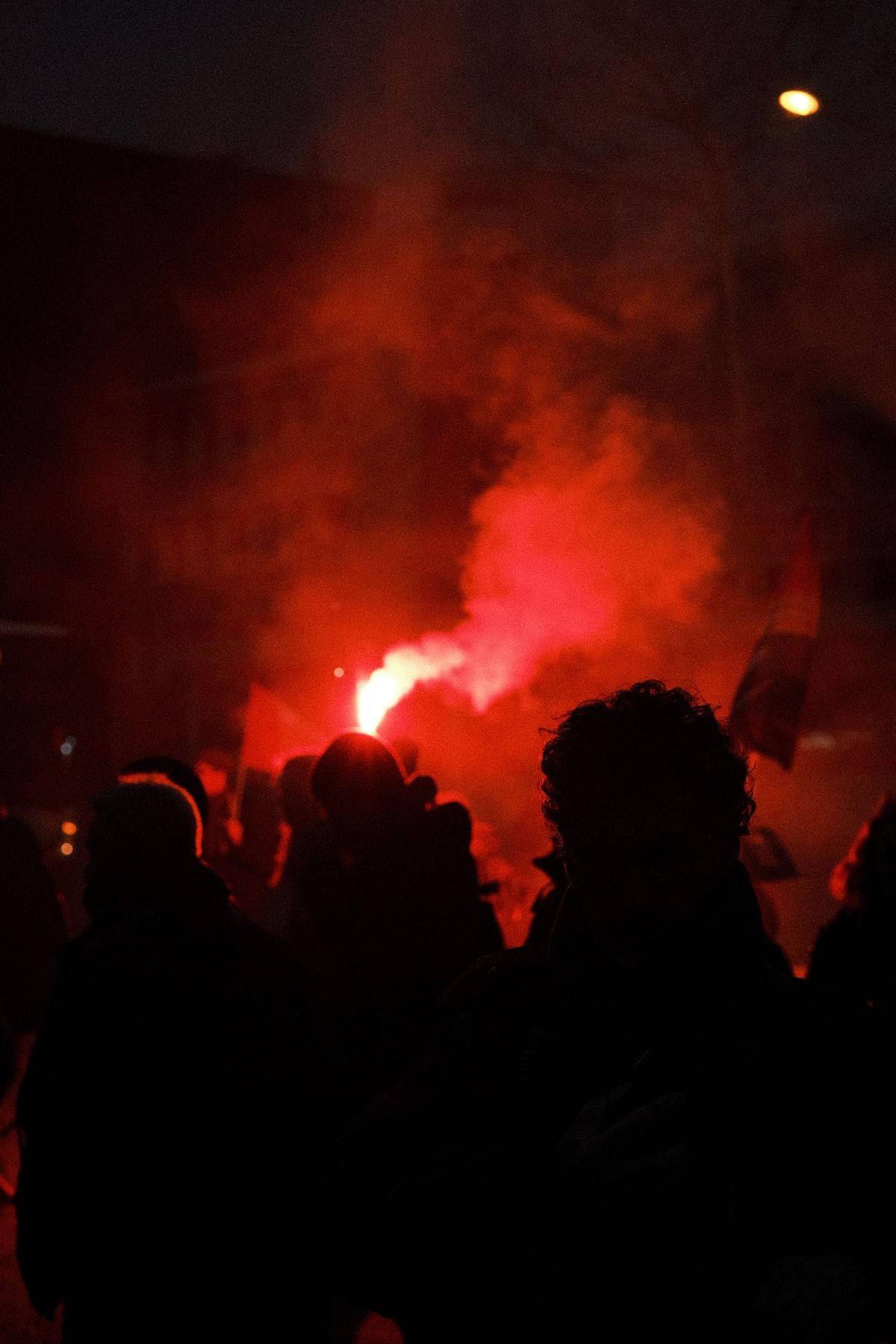
Dissenting voices are now more easily heard through the use of social media. These views are echoed and amplified, and the threats too often go unchecked by the authorities, which then creates even more polarisation. Instead of people being drawn together to the middle ground to debate and compromise, views end up becoming even more divisive and extreme.
There are a variety of ways this can hopefully be tackled, with improvements in political education, enforcement of standards of conduct on social media sites, and more effective policing. These protective measures are starting to be put in place, as the police have now created a new National Democracy Protection Unit.
Politicians' roles and values are now continually evolving, with the need in politics to be careful with the use of language and tone. They can, and are encouraged to, disagree, but they must find a way to do so in a respectful and non-aggressive manner. Otherwise, it incites people at the extremes of the spectrum, as shown by the recent murders and the threats of violence towards MPs more generally. It would be progressive if MPs from different parties could work in a collaborative manner and turn down the heat in Westminster while still being able to express their individual viewpoints.
In conclusion, something has to change in the way political debate is conducted and in how freedom of speech is protected. Otherwise, there is a risk that democratic debate will be weakened and that UK politics will become increasingly influenced by political extremists and populists.
By Eleanor Swann
https://www.bbc.co.uk/news/articles/c5yzyr3np8xo
https://www.jocoxfoundation.org/about/about-jo-cox/
https://jspp.psychopen.eu/index.php/jspp/article/download/8099/8099.html?inline=1