The Rise of Digital Diplomacy and Gen Z Activism
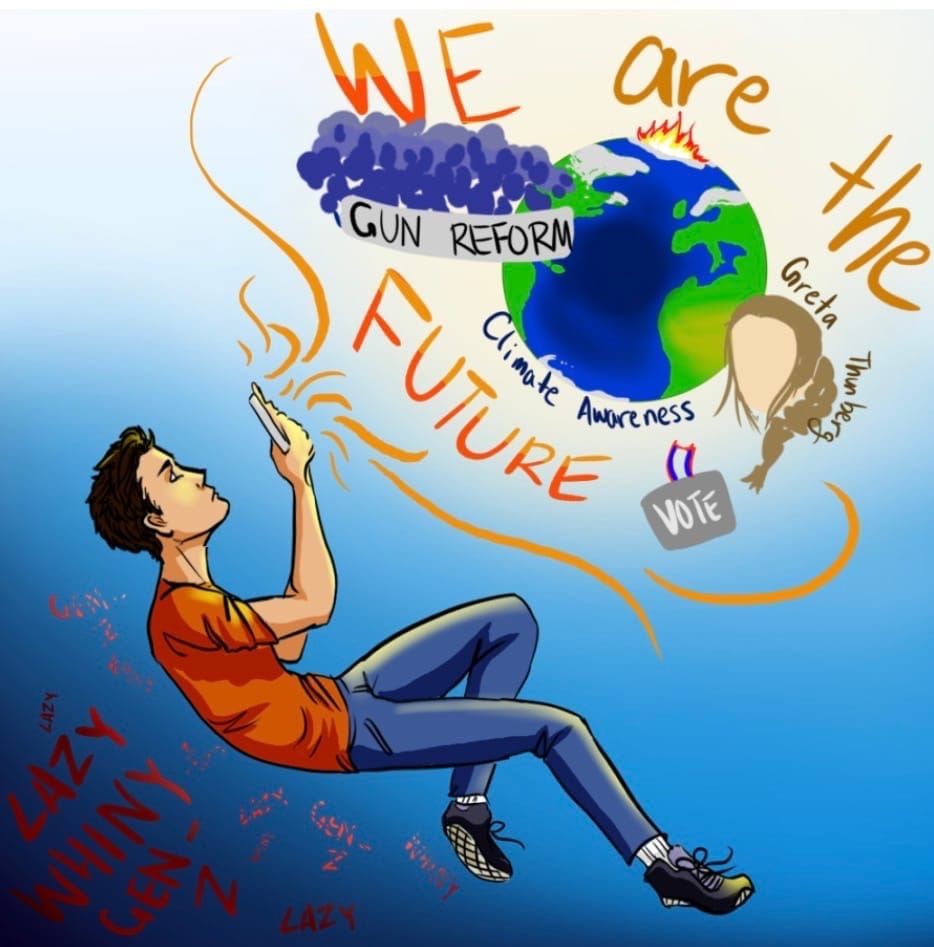
It is clear to see that Generation Z is becoming increasingly vocal within the political landscape. With recent political developments in Westminster, many young people are more concerned than ever about ensuring their voices are heard. In the past, teenagers were often perceived as being less politically or economically informed, with their opinions frequently dismissed as irrelevant. However, this perception has begun to shift, largely due to the influence of social media.
Gen Z has grown up during a social media boom. Every year, new platforms and apps emerge, allowing information to spread across the world in seconds and enabling instant global communication. This has created the foundations for a new wave of youth activism. Young people today are often more politically aware and financially independent than previous generations at the same age. Scotland's decision to lower the voting age to 16 for the 2014 Scottish independence referendum reflected growing confidence in young people's ability to engage with politics, with 97% of eligible 16 and 17-year-olds registering to vote. Since then, proposals have been made to extend voting rights to 16 and 17-year-olds across UK elections, demonstrating that youth political engagement is increasingly being taken seriously.
Some argue, however, that this growing political awareness conflicts with proposals to restrict under-16s' access to social media. If social media has become a major source of news and political discussion for young people, limiting access could also reduce exposure to current affairs. For many teenagers, particularly those who grew up during and after the COVID-19 pandemic, social media has become their primary source of both entertainment and information. As a result, restrictions can feel like a significant change to everyday life.
On the other hand, limiting social media use may also have political benefits. While these platforms make information more accessible, they also enable misinformation to spread rapidly. Young people, like adults, can become vulnerable to misleading content, making it easier for false narratives to shape political opinions. In addition, algorithms often create "echo chambers", where users are repeatedly shown content that reinforces their existing views while excluding alternative perspectives.
This has given rise to the term "clicktivism" — the idea that simple online actions, such as liking a political post or sharing a hashtag, can create the illusion of meaningful activism without leading to real-world change. Critics argue that social media can encourage performative political engagement rather than informed participation. Supporters, however, believe these online spaces have made politics more accessible than ever before and have inspired many young people to become genuinely engaged in issues affecting their communities and the wider world.
Whether social media is strengthening democracy or weakening it remains an open question. What is certain is that it has transformed the way Generation Z learns about politics, discusses global affairs and participates in activism. As technology continues to evolve, so too will the relationship between young people, politics and digital diplomacy.
By Lauren Berwick