The 2026 US Midterms: A Blue Wave, Historic Firsts and What They Reveal About America
“But everyone knows why we lost. And any honest conversation about where we go from here must start there.” — US Vice President JD Vance
The 2026 US midterms were more than just a Democratic electoral victory. They represented a significant moment in the United States' political and social evolution, marked by many historic firsts and breakthroughs for Muslim, LGBTQ+, Black and Indigenous political representation. The results also revealed that voters were willing to challenge established political loyalties that they had once held.
The significance of these elections extends far beyond American borders. As a political superpower, changes in US leadership have implications for the whole world, particularly regarding international security and democratic movements worldwide. Ultimately, the 2026 midterms raise a fundamental question: are we witnessing a temporary rejection of the Trump administration, or the beginning of a deeper transformation in American politics?
A Democratic Victory: Support for Democratic Policies or Rejection of Trump?
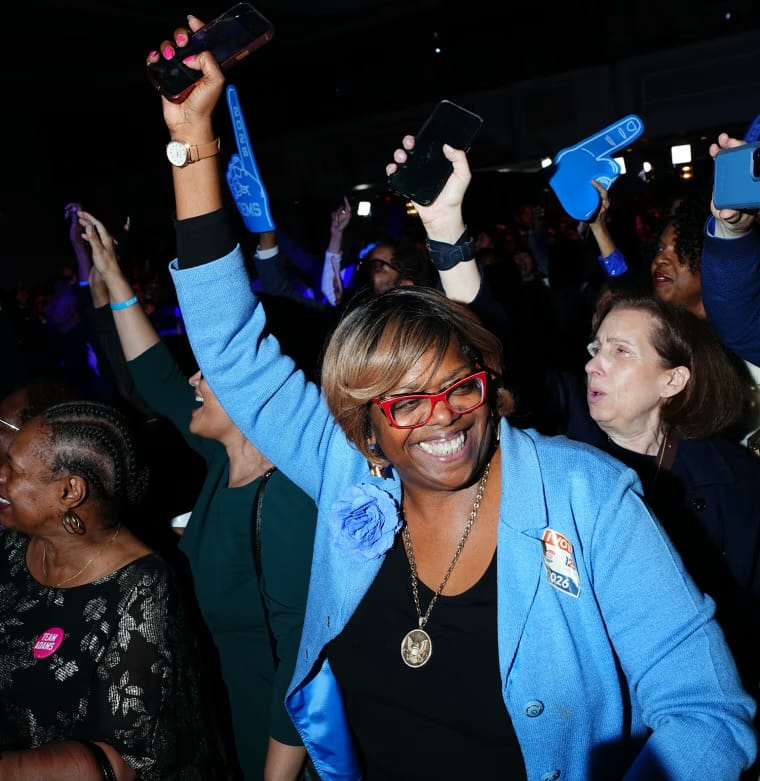
The Democrats won control of both the House of Representatives and the Senate, taking congressional power away from the Republicans. However, the question to be asked is whether Americans were voting for Democratic policies or against Trump’s leadership. Evidence from post-election voter surveys suggested widespread dissatisfaction with the Trump administration, particularly regarding the economy, healthcare and the war in Iran. Immigration and tariffs also remained important political issues, although voters did not necessarily share the same views on them. This supports the idea that dissatisfaction with the Republican administration played a significant role in the Democrats taking control of Congress.
Other major issues affecting Americans, particularly the cost of living, also played a significant role. Inflation, groceries, healthcare, housing and fuel prices were central economic concerns. Although Trump returned to office in 2025 promising economic improvements, by the midterms many voters felt that their finances had not improved. This could have weakened Republican support, particularly among those who had voted for Trump in 2024. The Associated Press voter survey found that many Americans were experiencing financial hardship because of inflation. It also showed that younger voters, Hispanic voters and lower-income voters had shifted towards the Democrats compared with the 2024 presidential election.
One of the most important causes of dissatisfaction with the Trump administration concerned foreign policy. Trump’s involvement in the Iran war and the close relationship between the United States and Israel during the ongoing genocide in Gaza has created distrust and opposition among Americans who opposed military intervention and their tax dollars being used for war crimes. This was particularly significant because Trump had previously promised to avoid prolonged foreign conflicts. The war also affected energy prices, making its consequences more visible in household budgets.
Alongside this, Democratic policies became popular among voters, particularly proposals to protect access to healthcare and defend programmes such as Medicaid. This suggests that voters concerned about medical bills and losing insurance may have supported the Democrats because they preferred their healthcare proposals, rather than simply because they disliked Trump. Democratic candidates also directed their policies towards ordinary households, emphasising affordability, housing costs, wages and the financial pressures facing working families. This reflected a more interventionist economic approach, in which the government takes greater responsibility for making essential services affordable.
These Americans may have been actively choosing Democrats because they trusted their approach to specific issues, particularly healthcare and affordability. The combination of support for Democratic policies and frustration with the Republican administration contributed to the blue wave and the Democratic victory across the United States.
The Blue Wave: Challenging Traditional Political Loyalties
The Democrats flipped seven Republican-held Senate seats, in Kansas, Texas, Iowa, South Carolina, North Carolina, Ohio and Maine. This was particularly striking because Kansas elected its first Democratic senator since 1932, during the Great Depression. Adam Hamilton’s victory ended a Republican hold on the state’s Senate seats that had lasted more than nine decades. Similarly, Texas elected James Talarico as its first Democratic US senator since 1988. It also elected Gina Hinojosa as governor, the first Democrat to win the position since Ann Richards in 1990. Hinojosa also became the first Latina elected governor of Texas. These results challenged the assumption that states with long Republican histories were permanently beyond Democratic reach.
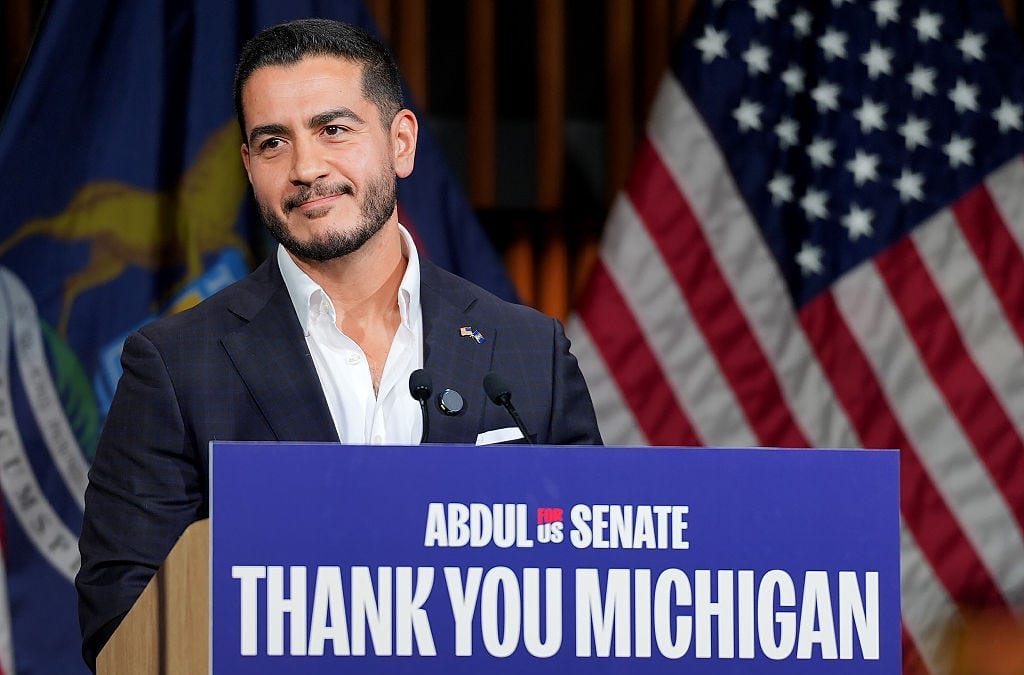
The midterms also paved the way for many historic firsts, including Abdul El-Sayed becoming the first Muslim elected to the US Senate, Chris Pappas becoming the first openly gay man elected to the US Senate, Keisha Lance Bottoms becoming the first Black woman elected governor of a US state, and Peggy Flanagan becoming the first Native American woman elected to the US Senate. Deb Haaland also became the first Native American woman elected governor of a US state, following her victory in New Mexico. These results suggest that the boundaries of who can hold political power in America are continuing to expand, even while cultural divisions persist within the country.
Is America Rejecting Prejudice, or Becoming More Politically Contradictory?
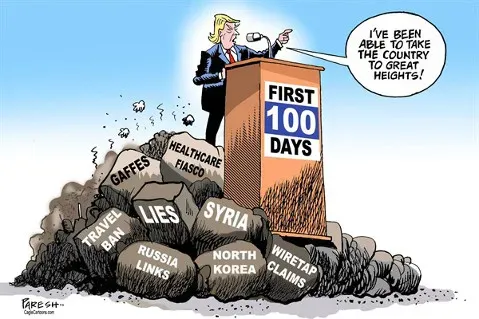
America continues to face intense debates over LGBTQ+ rights, immigration, religion and diversity policies. Its large geographical scale also means that political and ideological differences vary considerably throughout the country. Yet voters elected Muslim, LGBTQ+ and minority ethnic candidates, including in some traditionally conservative areas.Pew Research Center reported in March 2026 that three-quarters of American adults considered racial and ethnic diversity good for the country. The finding came from surveys conducted in late 2025. However, the research also found significant differences between Democrats and Republicans over the effects of diversity and policies intended to promote equality. Importantly, this change in representation was not restricted to Democratic candidates but extended across party lines. Florida elected Republican Byron Donalds as its first Black governor, demonstrating that this was not just a Democratic development.
American society may therefore be becoming more accepting of diverse political leadership, even while remaining divided over policies intended to promote equality. Voters may also have been motivated by candidates’ credibility rather than simply by the identity of the person standing for election. This could suggest greater acceptance of individuals from minority backgrounds. These developments could have a major impact on the future of American politics and raise several longer-term possibilities. More diverse political leadership could influence future legislation concerning civil rights. It could also lead to candidates from minority backgrounds being evaluated on their policies rather than their identities. However, this raises another question: does the election of more diverse political leaders mean that America is genuinely becoming more accepting, or does it simply show that voters are willing to look beyond a candidate’s identity when they agree with their policies?
What Exactly Could the Midterms Mean for the Rest of the World?
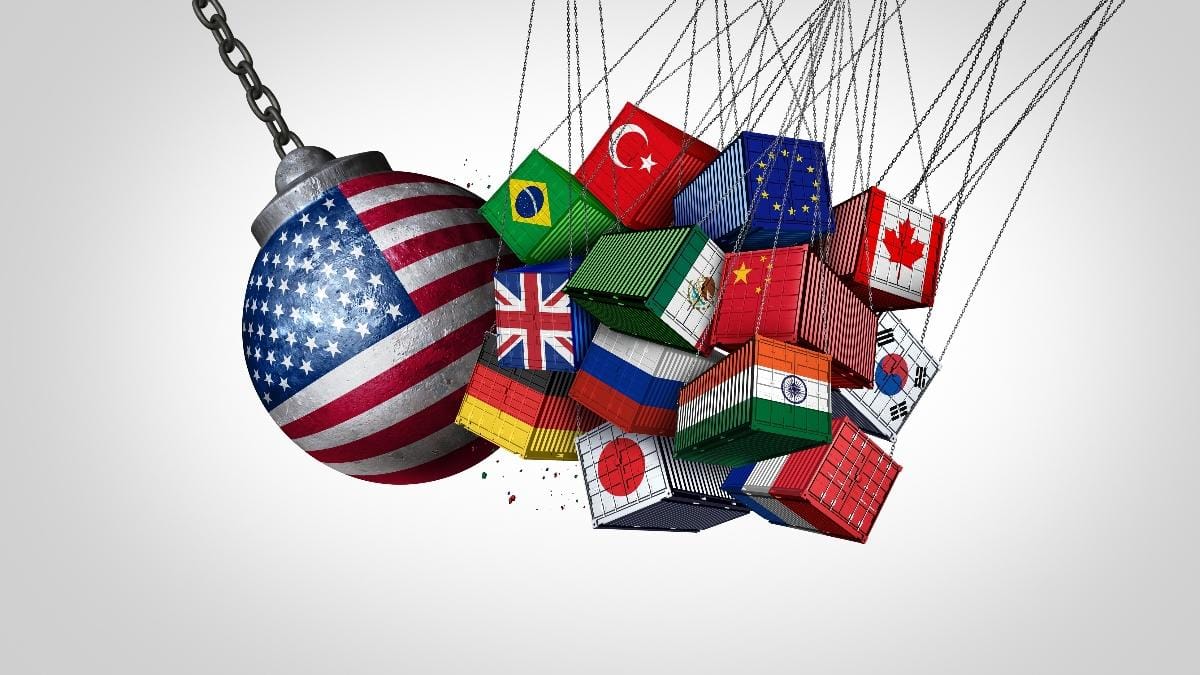
American elections have consequences far beyond US borders because the country remains a major military and diplomatic power. US Vice-President JD Vance blamed the ongoing war in Iran as the main reason for the Republican Party’s defeat in the midterms. According to Vance’s account of conversations with pollsters, the Republicans’ problem was not primarily that their supporters had stayed at home.
He argued that many voters who had supported Trump and Vance in 2024 had instead voted for Democrats in 2026. This suggests that voters were using their voices to show that their political loyalty was conditional, as the Iran war contradicted their expectations. Trump and Vance had appealed to voters who wanted to avoid prolonged foreign conflicts, and Vance’s comments suggested that the Iran war had become a significant source of dissatisfaction. Vance identified four concerns that he believed had influenced these voters: ending the war, addressing the cost of living and inflation, putting America first, and changing the United States’ relationship with Israel. He also acknowledged that the Republicans’ economic messaging may not have been convincing enough.
This raises questions about how voters responded to the contradiction between the administration’s earlier promises to avoid prolonged foreign intervention and its involvement in the Iran war. However, Vance’s explanation represents his interpretation of the defeat rather than the only reason Americans voted differently. Post election surveys also identified wider dissatisfaction with the economy and Trump’s leadership. The consequences of this dissatisfaction extend beyond America. As a major military and diplomatic power, the decisions made by the United States affect international security, economic stability and its relationships with other countries.
The midterms therefore raise questions about whether the Democratic victory could influence the direction of American foreign policy, particularly regarding the Iran war. Although Trump remains president, Democratic control of Congress could create greater opposition to some of his decisions, including through legislative scrutiny and control over government spending. This shows how closely connected American domestic politics is to events taking place across the world. A foreign conflict can influence energy prices and the cost of living at home, which can then affect how Americans vote. In turn, the results of those elections can have consequences for countries far beyond the United States.
A Temporary Rejection or a Deeper Transformation?
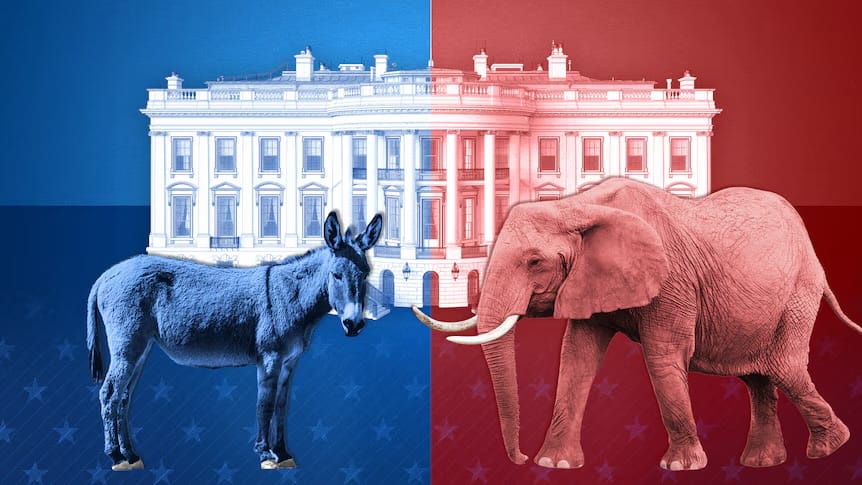
The 2026 midterms were not simply about the Democrats winning control of Congress. They also raised important questions about changing political loyalties, representation and what American voters now expect from their government. The Democratic victories in traditionally Republican states suggest that long-established political loyalties are not necessarily permanent. At the same time, the historic breakthroughs for Muslim, LGBTQ+, Black and Indigenous candidates could indicate that America is becoming more accepting of diverse political leadership, even while remaining deeply divided over social and political issues.
However, it is difficult to determine whether these results represent a permanent change. Many Americans may have voted for the Democrats because they were dissatisfied with Trump’s economic policies, the cost of living and the Iran war, rather than because their political beliefs had fundamentally changed. Yet it would also be wrong to ignore the appeal of Democratic policies, particularly on healthcare and affordability. The election suggests that voters were not necessarily motivated by one issue alone, but by a combination of dissatisfaction with the Republicans and support for Democratic alternatives. This brings us back to JD Vance’s words at the beginning. His acknowledgement that Republicans must confront why they lost raises a wider question about political loyalty in America. If voters who supported Trump in 2024 were willing to turn away from the Republicans just two years later, it suggests that their support cannot be taken for granted.
The real significance of the 2026 midterms may therefore become clearer in the years ahead. Were Americans simply rejecting an administration they felt had failed to deliver on its promises, or were they beginning to reconsider their political loyalties and expectations altogether? Perhaps the defining question of the 2026 midterms is not just whether America voted against Trump, but whether America is beginning to vote for a different version of itself.
By Innaya Baig
• Associated Press (AP News) – 2026 US midterm election results, Democratic control of Congress and historic political firsts.
• CBS News – JD Vance’s comments on the Republican defeat and the Iran war.
• The Guardian – JD Vance’s explanation of the midterm results and the impact of the Iran war.
• Pew Research Center – March 2026 report on American attitudes towards racial and ethnic diversity.
• The Washington Post – Analysis of the main issues influencing voters in the 2026 midterms.
• ABC News – Historic firsts involving Muslim, LGBTQ+, Black and Indigenous candidates.