Explainer - Who pays for politics? How UK parties are funded
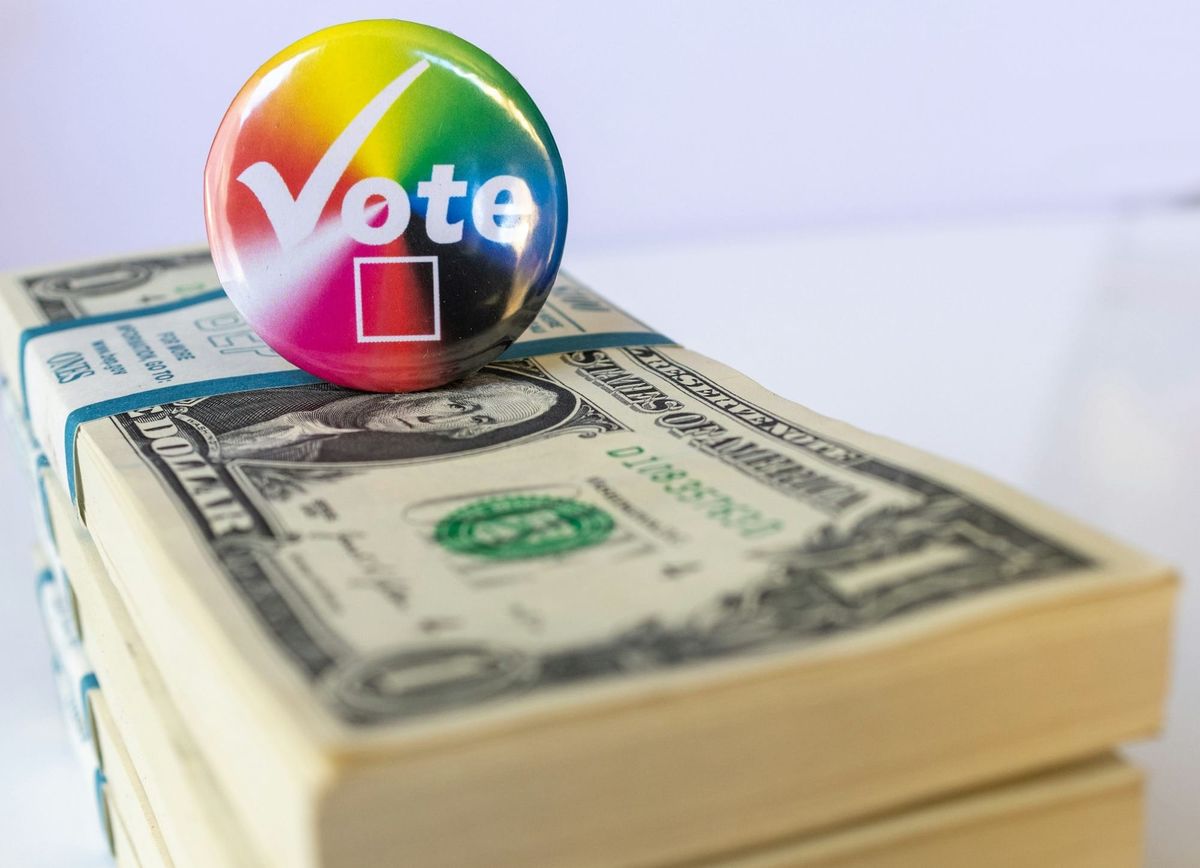
100 million dollars. 200 million dollars. 45 million dollars. These are all purported figures on the sum of Elon Musk's extravagant financial investment to his America First super PAC, and the American political system as a whole.
However, it is unlikely that newspapers will report of hearing Musk donating similar numbers to British political parties due to the way that they are funded. Following the passing of the Political Parties, Elections and Referendums Act (PPERA 2000), more stringent restrictions have been placed on the source and use of political money. Due to Musk not being eligible to vote in the UK and therefore ineligible to be on the UK's electoral register, the Electoral Commission classes him as an 'impermissible' source of party funding limiting him to a meagre £500.
However, the current rules mean that some British nationals living abroad have been able to take advantage of the unrestricted donation limit. Before the Labour Party introduced plans to place a cap on overseas citizens giving more than £100,000, figures like Christopher Harborne (a British-Thai crypto billionaire) donated huge sums to parties of their choosing— Harborne himself making the largest political donation from a living person, of £9 million to Reform UK in 2025.
Although private donations can often make up majority of a party's funds, parties also widely derive their main funding from key sources like:
- Membership fees
- Short money (public money given to opposition parties in the House of Commons based on vote share. It is used to help perform their parliamentary duties e.g. on policy research and covering travel expenses.)
- Cranborne money (public money given to peers of opposition parties in the House of Lords.)
- Policy development grants (financial support given by the Electoral Commission to political parties with 2 or more MPs so they can research and write policies for their election manifestos.)
Organisations like the Institute for Public Policy Research (IPPR) have called for a widespread cap on all political donations and continue to emphasise the role of transparency whilst others believe that other measures like political participation are needed to stop undermining public trust in democracy and the political system.
By Aimen Azeem
https://www.axios.com/2026/07/29/musk-pac-midterm-election
https://www.transparency.org.uk/news/how-are-political-parties-and-politicians-funded