Explainer - Net Zero on a Budget: Can the UK Deliver?

I: A Redirection of Funds
On October 28th 2026, Chancellor John Healey, under Burnham’s government, announced a significant redirection of grants from decarbonisation initiatives into the Defence Investment Plan (1).
These included:
- £1bn out of the £15bn capital grant for the Warm Homes Plan
- £500m out of the hydrogen capital grants
- £200m out of the carbon capture, usage and storage (CCUS) grants
Healey’s speech also featured major support for the development of technological infrastructure, including a new framework for AI Growth Zones. While promising local jobs and technological progress, it also demands immense electricity from the National Grid, which in turn demands more fossil fuel, sparking controversy amongst environmental activists.
Additionally, there are questions about whether the UK can really meet its net-zero targets following the recent approval of North Sea projects, such as the beginning of natural gas production at the UK’s offshore Jackdaw gas field. The plan for the Rosebank oil field, however, is not yet decided.
So, what does this cut in the budget for decarbonization projects mean for UK’s long term sustainability?
II: the short-run relief versus the long-run risk
Following the United Nations Environment Programme’s (UNEP) recent announcement surrounding the unlikeliness of the Paris Agreement reaching its 1.5°C target, the necessity for the UK to meet its sustainability goals is more urgent than ever.
If we assume ceteris paribus, even a cut of a few billion pounds from the budget for green energy projects can reduce the scale of critical clean energy infrastructure. This may mean that the rate of expansion of long run aggregate supply (LRAS) in the UK will not be as high as some other countries. Thus, this loss in capital may reduce the economy’s productive capacity and productive efficiency. In the long run, this may increase energy costs relative to cleaner countries, slowing down economic growth. Markets could become more unstable, and foreign investors may have less confidence in UK firms.
On the other hand, renewable energy sources tend to have near-zero operating costs despite its high upfront costs. Furthermore, firms in England that are cleaner are less likely to be fined by the Environment Agency, in which the lower costs can allow them to gain competitive advantage. If the majority of firms in the UK switch to cleaner substitutes, it increases green innovation, which can also generate long-term growth. So, the UK’s decision to cut funding from the very sector that has the most potential can limit its potential capacity, possibly leading to a deadweight loss in environmental capital.
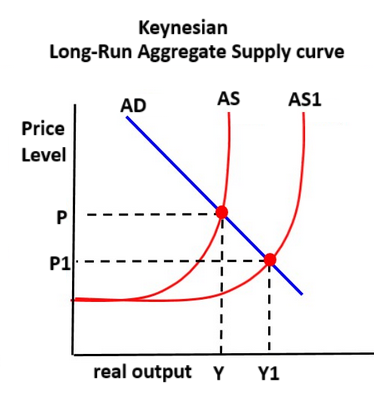
Even in the short run, this reduction in capital grants could heighten uncertainty among investors, particularly those looking forward to establish businesses related to clean technology, electric vehicles other renewable energy sectors. These sectors are growing rapidly, making any investment in green technology a potential for high returns. Though national defense is imperative, it is important to think about both the short-term and long-term trade-offs that may take place when reallocating budgets.
The other disadvantage with reducing investment in the green sector is that (and we already know this from the conflict in Russia, USA and the Middle East) energy prices have the ability to become highly volatile. This makes cutting funding from the decarbonization sector even more dangerous, as a short-term relief may mean the average UK consumer has to pay even higher energy bills in later years. Without a well-developed infrastructure to provide low-cost, clean energy in the future, the UK will have no safety net shielding it from cost-push inflation, making the country extremely vulnerable to increases in the cost of living. If the UK continuously relies on external energy suppliers without building renewable energy projects itself, it signals to investors that the country may not be as resilient or adaptable to changes in the global oil market in the future.
III: Who else is impacted?
And, despite what Burnham has claimed regarding the protection of the lower-income population when it comes to the Warm Homes Plan, if energy prices do soar from worsened conflict across the world, low-income households may actually disproportionately suffer from cost-push inflation. This is because they tend to allocate more of their income on survival. Thus, more expensive basic necessities greatly reduce their disposable income and ability to afford other essentials. Unlike those earning higher wages, lower-income households have significantly less financial buffers to rely on. Thus, besides the fact that reducing green investment can lead to environmental degradation, high energy costs may also act as a regressive tax, widening the inequality gap due to cost-of-living.
IV: The nuance: strategy or sustainability?
There are multiple factors to why Burnham is shifting to fossil fuels instead. For one, Burnham is adamant that shifting to fossil fuels in the short run is necessarily to keep household energy bills down, a sensitive topic for many. However, fossil fuel prices are still vulnerable to exogenous shocks, and there is simply no guarantee that drilling in the North Sea will save the UK. On the other hand, while upfront costs (or capital expenditure) are higher for renewable energy projects, the low-to-zero operational costs suggests that it remains a viable option.
The Chancellor has also claimed that the reallocation of capital is essential to tackle UK’s high fiscal deficit. This could potentially mean the UK is trying to maintain investor confidence and fiscal flexibility first, and then focus its efforts onto the green sector. Yet, its decision to drill in the North Sea is not necessarily promising that the revenue will specifically be reinvested into the green economy, especially if the UK repeats Thatcher’s mistakes: failing to establish a sovereign wealth fund. This is particularly large area of debate, as even though Burnham plans for a £2bn Energy Wealth Fund, it may not be enough compared to the cuts in capital across the clean energy sectors.
So, although the country’s situation regarding sustainability is not exactly decided yet, and it is still critical that the UK realizes what green innovation can bring to the table in the long-term: market stability, lower cost-of-living, protection of environmental capital, investor confidence and more innovation and growth. Whether the investment is really reallocated to defense or not, it is always worth considering the opportunity cost of such financial action. Not doing so may put our country in severe jeopardy for the years to come.
By Ivy He
Sources:
https://www.localgov.co.uk/Ministers-call-in-500m-Brick-Lane-data-centre-plan-/64551