Explainer - Kings, Presidents, and PM’s: Who Actually Runs The Country?
In Britain, the King’s face is on money, stamps and passports, but he cannot pass a single law on his own. Meanwhile the person who appears to make the decisions in Britain, the Prime Minister, was never directly voted for by anyone, unlike a president. So, to understand who really runs a country, you have to look past the title and identify the job underneath it.
Roles a country must fill
Running a country involves two roles:
The head of state: symbol that represents the nation, greets foreign leaders, and stands for the country's history and unity.
The head of government: They are the ones who actually run things by choosing policies, setting taxes, and making the day-to-day decisions of government.
The only real difference between nations is whether they give these two jobs to one person or split them between two.
Britain: the jobs are split
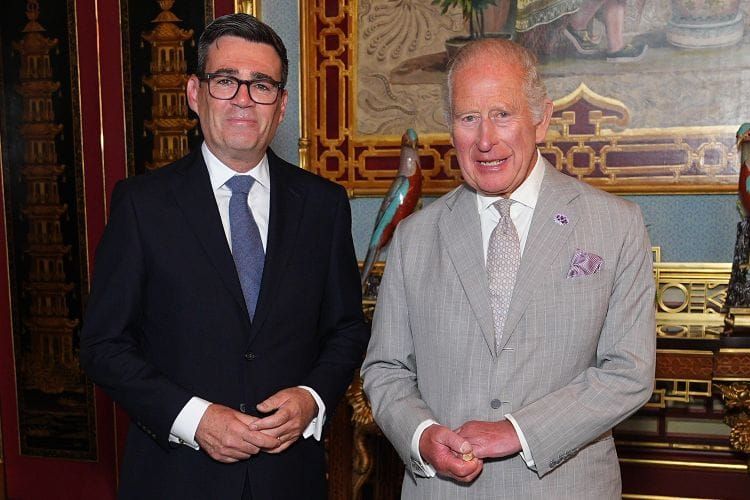
In Britain, the head of state is currently King Charles III, who inherited the role, while the head of government is the current Prime Minister, Andy Burnham, who holds the actual power.
So, what does the King actually do? He carries out ceremonial duties, formally opens Parliament, and gives new laws his "Royal Assent”. This is the final signature that turns a bill into law. He also meets the Prime Minister privately each week to discuss matters of state. By tradition he stays completely neutral and never takes a political side.
On paper, the King has enormous power. He could, in theory, refuse to sign a law. But no monarch has actually done so since Queen Anne in 1708, more than three hundred years ago.
America: the jobs are combined
The United States, like most countries, has no monarch, so both roles are done by one person: the President. The President is head of state and head of government at the same time.
A second crucial difference is how they get the job. Americans vote for their president directly, while in Britain's parliamentary system, you never vote for the Prime Minister at all. You vote for a local MP, and whoever leads the party with the most elected MPs becomes the Prime Minister. Hence, a president is chosen by the people to lead, and a prime minister is simply the leader of the largest team in Parliament.
This difference also decides how easily a leader can be removed. A US president is elected for a fixed term of four years and is difficult to force out early. A British Prime Minister on the other hand is far more fragile: if their own party turns against them, or they lose an important vote in Parliament, they can be gone within days.
However, a “president" does not always mean "total power". Several countries, including Germany, Ireland and India, have a president who is only a ceremonial head of state (essentially an elected stand-in for a king) while a separate Prime Minister or Chancellor holds the real power.
Final thoughts
Once you see the two jobs (head of state and head of government) you can look at almost any country and quickly work out which role they play.
By Aisha Abdulsalam
Sources:
[1] https://www.royal.uk/role-monarchy
[2] https://www.parliament.uk/site-information/glossary/royal-assent/
[3] https://www.politics.co.uk/education/royal-assent/
[4] https://www.gov.uk/government/how-government-works