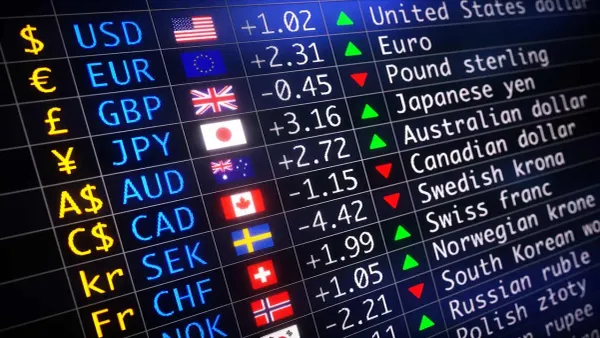
Explainer - Central Banks

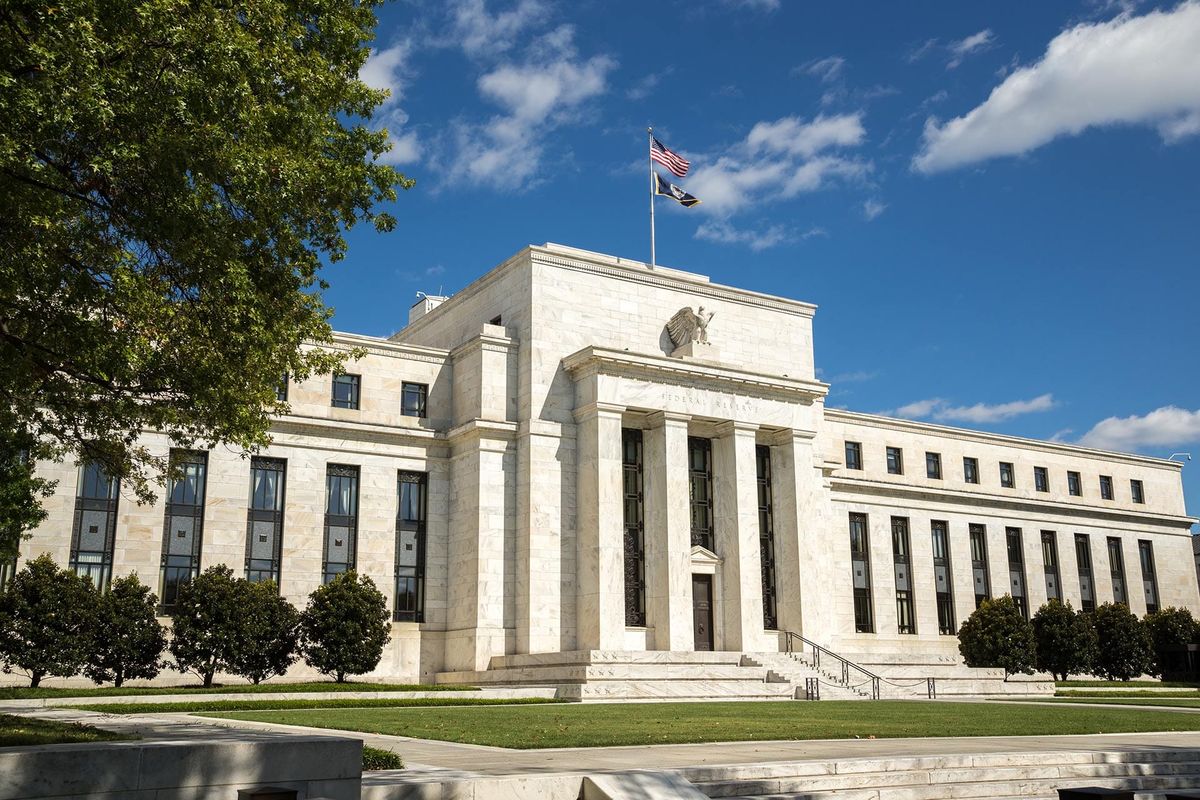
A central bank is a public institution that a nation's currency - or that of a currency union, like the EU - and controls the money supply. It's primary goal is maintaining price stability, though some central banks also carry a mandate to support maximum employment.
The most influential central bank in the world is the US Federal Reserve. Because the US dollar finances most global trade and lending, the Fed's decisions directly shape economic conditions worldwide.
Monetary Policy
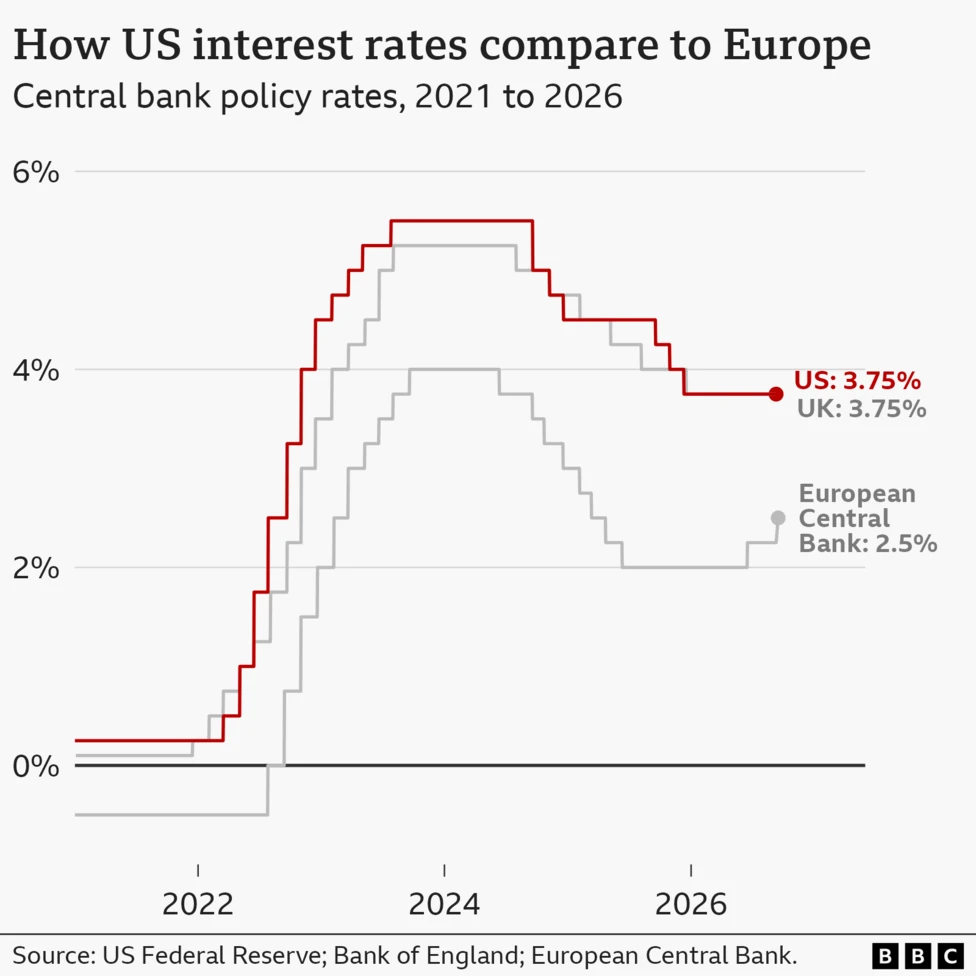
Monetary policy refers to the actions a central bank takes to achieve its economic goals, primarily through setting interest rates. Decision-makers meet roughly eight times a year to adjust these rates based on current economic trends.
Interest rates determine the cost of borrowing and the reward for saving. Raising them reduces economic activity by making it more expensive to take out loans, and increasing the attractiveness of saving rather than spending. Lowering them can stimulate economic activity by doing the opposite.
For example, if inflation is rising and the labor market is strong, interest rates will head upward; if the economy is weakening, they head down in order to support it. Whenever a central bank changes its benchmark rate, commercial banks quickly adjust their own consumer and business rates in response.
In more extreme situations, where adjusting the interest rate may not be enough, unconventional monetary policy may be used:
Quantitative Easing (QE): this is used when the economy is extremely weak and interest rates are already very low. The central bank buys government bonds from commercial banks, injecting liquidity into the economy, and lowering the long term yield on the bonds. This stimulates lending and increased economic activity
Quantitative Tightening (QT): the opposite of Quantitative Easing, used following a period of QE in order to reduce the money supply and lower inflation
Negative Interest Rates: a rare policy implemented during severe economic downturns to encourage savers and commercial banks to spend/lend rather than hoard money, since doing the first effectively makes them a loss.
Foreign Exchange (FX) reserves are assets held by a country's Central Bank in foreign currencies, bonds and other securities. Their main purpose is to serve as financial backup if the domestic currency rapidly loses value.
Beyond stabilising the national currency, FX reserves buffer against economic shocks, facilitate international trade and give central banks an additional tool to influence monetary policy.
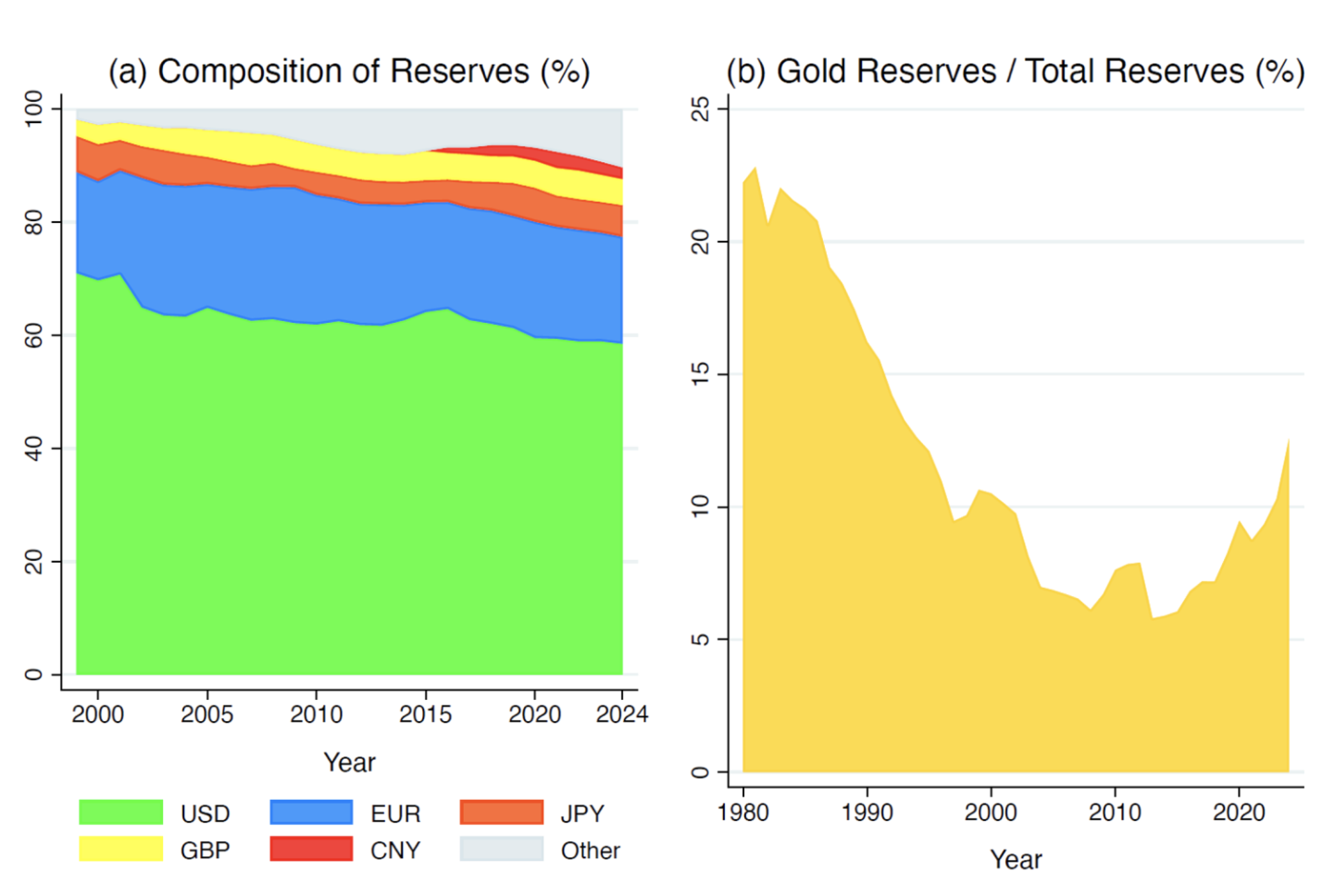
Because the US dollar dominates global trade, most foreign exchange reserves worldwide are held in dollars. Other common reserve currencies include the euro, Japanese yen, British pound, and Swiss franc - all issued by large, stable economies with deep financial markets, free capital flows, and trusted institutions.
Many Central Banks also hold gold in their reserves as a hedge against currency volatility and potential sanctions from major global powers. Over the past decade, the composition of global reserves have shifted: the share held in dollars has declined, whilst gold holdings have grown - a trend driven by rising geopolitical tension and economic uncertainty in the US.
Independence
Central banks need independence from political influence because interest rates play a large role in shaping a country's economic activity. This allows them to make decisions that best suit the economic situation, rather than favouring short-term political agendas.
For example, politicians may favour lower interest rates. By reducing the cost of borrowing, this move may boost economic growth on the surface, while making government spending easier to finance. However, if the economy is experiencing inflation, lowering rates can be extremely damaging to long-run economic health, as it encourages the exact opposite of what the economy needs to stabilise.
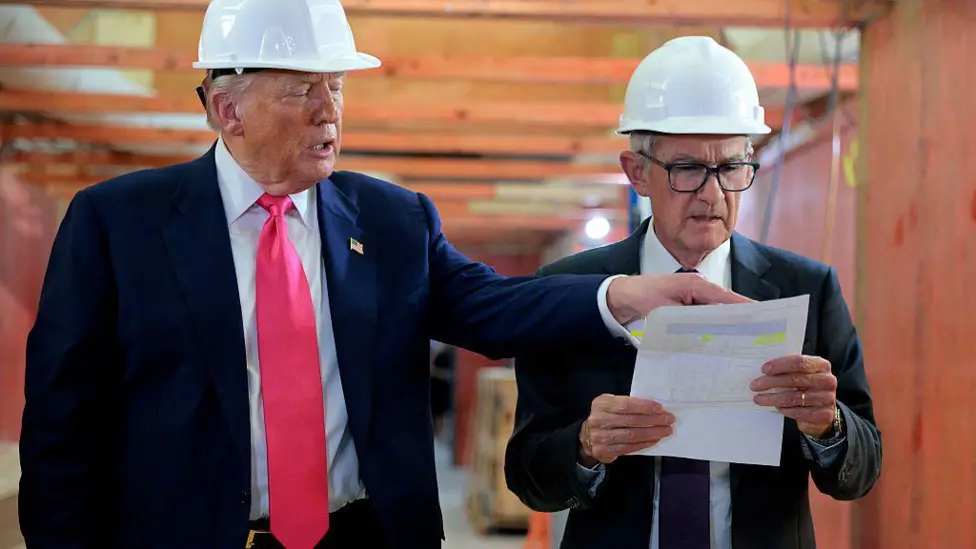
Given the importance of Central Bank independence, most governments tend to steer clear of monetary decisions. However, the second Trump administration has deviated from this, continuously lobbying for lower interest rates despite economic conditions that warrant rate increases rather than cuts.
Most notable was the conflict between President Trump and the former Fed Chair Jerome Powell across early 2026. Though Powell held firm and didn't give into Trump's demands, the resulting instability greatly damaged the credibility of both institutions, and also proved destabilising for the Treasury market watching the drama unfold.
To explore this further - especially the implications under new Fed Chair Kevin Warsh - check out this piece from my Substack which discusses these ideas in more detail: https://ananyaa2108.substack.com/p/the-pivot-to-opacity-50e
By Ananyaa Gupta