Boiling Point
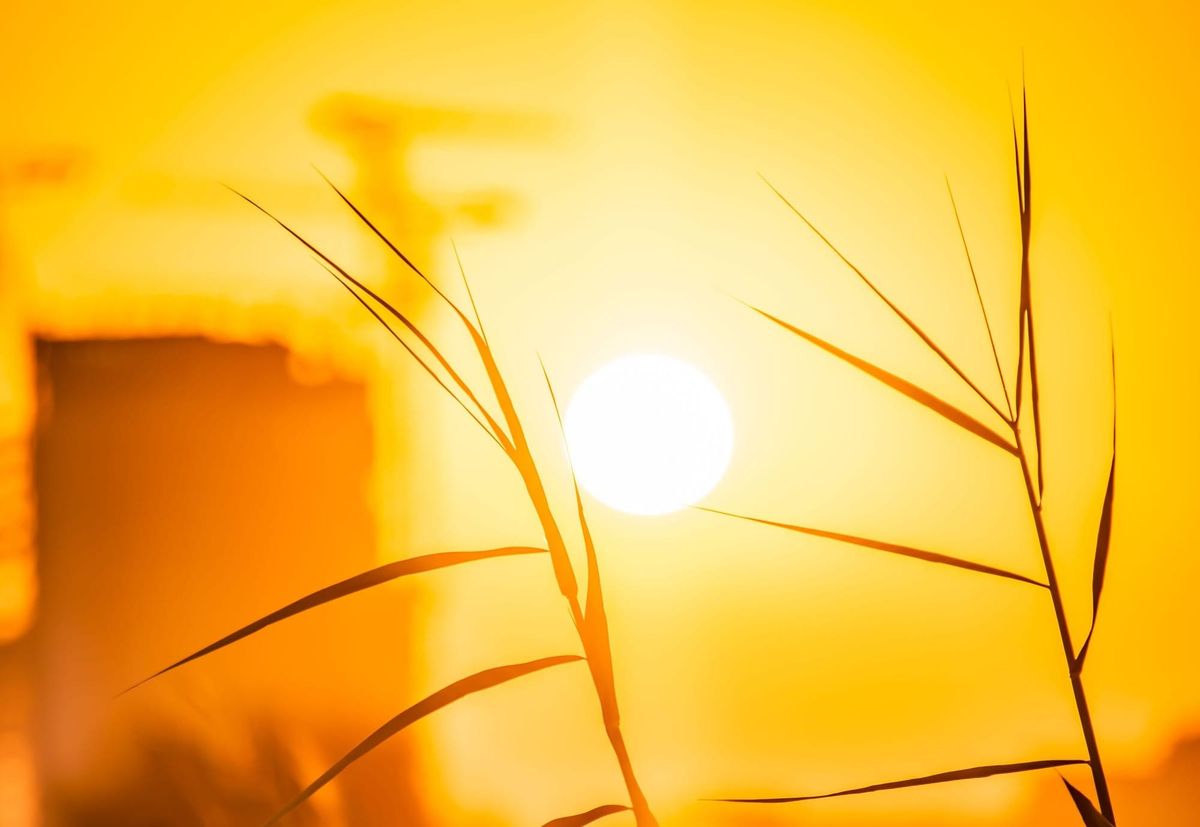
Europe is already heading towards its hottest summer on record, and it's only July. Heatwaves have become more frequent, intense and prolonged across the continent. As the temperature in Saarbrücken reached 41 degrees celsius, the number of deaths in the water have risen dramatically. At home, Britain faced a sweltering week. Future heatwaves threaten to cause more serious side-effects. The question is: How will our world, especially Europe, respond?
Climate change is also making key natural resources scarcer, such as drinking water and arable land. Regions in Europe, including Kent in the UK, have imposed restrictions on water consumption or hosepipe usage. Using the hosepipe, however, may be the least of our concerns. In Italy, the Po river has suffered from exceptionally low water levels, affecting irrigation for farming in a productive agricultural region [1]. Similarly, the warming waters of the Mediterranean sea are pushing species further north, harming fishing communities. The trouble does not stop there. Energy systems are under pressure, too. France has had to reduce its nuclear energy output because there was a lack of water to cool the nuclear reactors down [2]. Additionally, during many heatwaves, the power generated from the wind is curbed, as low wind speeds and air density mean that the wind turbine is less effective. Perhaps the great irony is that climate change is now beginning to undermine the very renewable energy systems that Europe is relying on to combat it.
I see two possible futures for Europe in the face of climate change. The first is a fragmented continent, where countries turn inward and compete for scarce resources. The second is one of stronger cooperation as nations manage the shared environmental challenges together.
On the one hand, climate change could increase international tensions as some regions face more severe short-term impacts than others. For instance, while Southern Europe has already experienced heatwaves and droughts that require adaptations, such as introducing a maximum working temperature in Spain, Northern Europe has felt fewer immediate impacts, which could lead to fundamental disagreements over disaster relief funding, migration and resource management on the continent. If, or when, climate pressures grow, then many nations may decide to focus on protecting their own national interest, including their own precious resources, rather than working together. In the longer term, a key consequence of climate change may be that it is regarded as a zero-sum game by European politicians and the public, where one side's gain equals another's loss. Although in most cases the effects can be dealt with collaboratively, in the most extreme cases, such as severe droughts, this can effectively become a zero-sum struggle, whereby shared river systems such as the Rhine or Danube lead to competing demands between the upstream and downstream countries. Similarly, strain on electricity grids may result in governments prioritising domestic energy security, limiting cross-border exports.
On the other hand, climate change could strengthen European cooperation in the long-term. The problems caused by climate change often affect multiple countries simultaneously, demonstrated by the June heatwave, meaning that joint solutions could prove more pragmatic than individual countries responding in isolation. Coming together in the midst of a crisis has occurred in recent memory, when the EU coordinated the procurement of vaccines and supported the supply of PPE during the COVID-19 pandemic. The European Union's 'European Green Deal', which aims to reduce emissions by 50% by 2030, encourages coordinated action [3]. In this scenario, climate change acts as a unifying force, pushing countries to rely on collective planning rather than acting alone.
In conclusion, it is difficult to predict exactly how Europe will respond to the challenges presented by the rapidly changing climate in the future. These problems are becoming increasingly visible and are likely to intensify over the coming years. What is clear to me, however, is that Europe, a continent that is warming faster than any other, is reaching a boiling point. Will it hold its shape, or overflow under pressure?
By Natasha Callis
[2] https://www.reuters.com/business/energy/europes-heatwave-curbs-french-nuclear-plants-2026-06-24
[3] https://commission.europa.eu/strategy-and-policy/priorities-2019-2024/european-green-deal_en