The ‘Summer Slide’: Why the School Holidays Matter
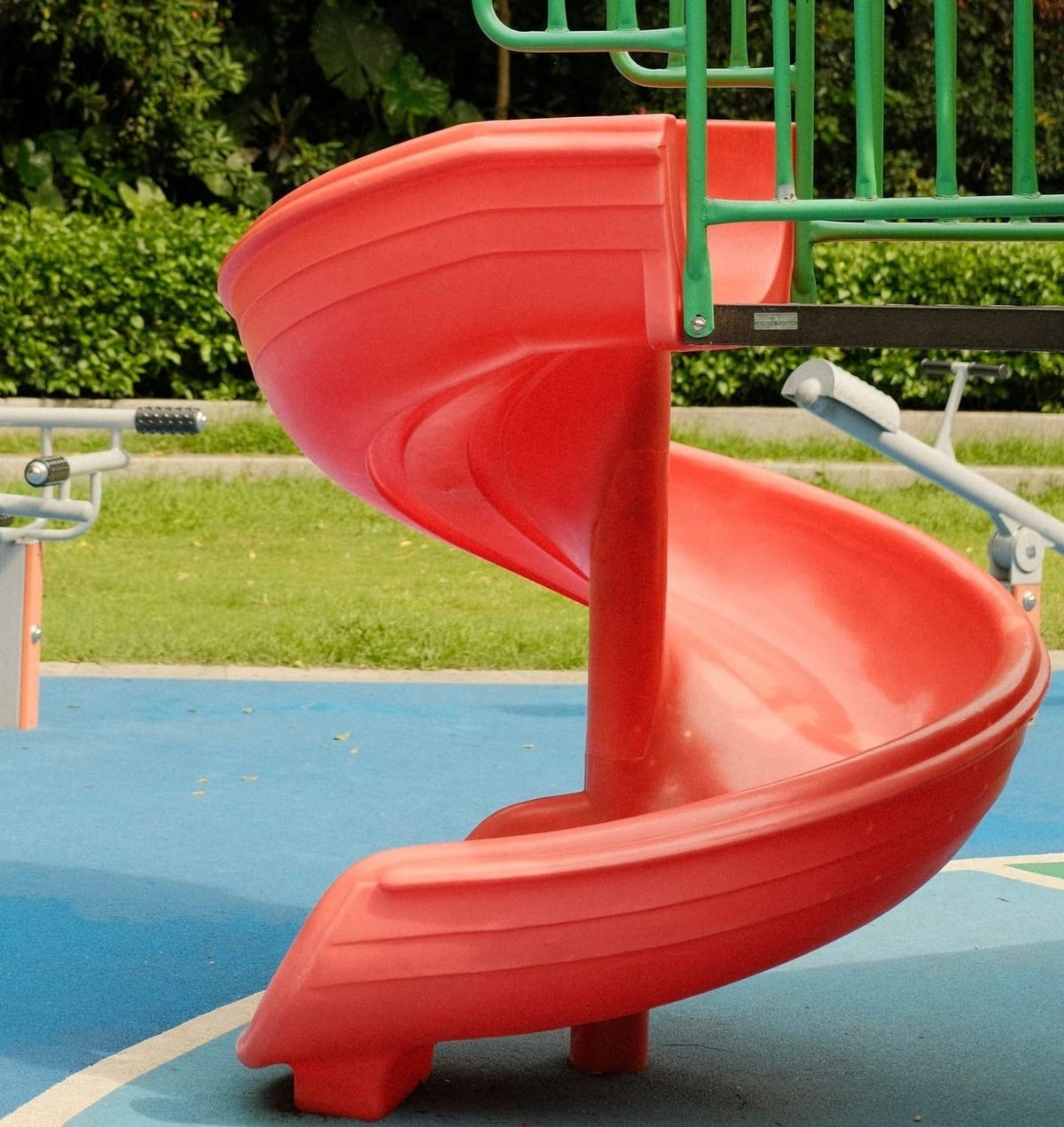
The ‘summer slide’ is an educational term used to describe the loss of knowledge over the summer holidays when a child doesn’t (or can’t) revisit what they have learnt during the school year.
Although it is a lesser-known phenomenon, the summer slide has the potential to significantly affect children’s learning, with some research suggesting that pupils can forget approximately two years’ worth of knowledge over the course of their schooling career. While this primarily affects primary school children who are developing foundational skills in reading and maths, learning loss can affect students at all levels of education, potentially undoing years of teaching.
However, the consequences of the summer slide are not experienced equally. Disadvantaged children are particularly vulnerable, with 40% reportedly affected by this phenomenon. Often without access to tutors or parents who have the time and resources to help them recap what they have learnt, these children may struggle to regain lost knowledge. Meanwhile, their more privileged peers can continue learning over the summer, widening the educational gap before they even return to school. In this way, the summer slide risks turning existing inequalities into lasting disadvantages.
The consequences extend far beyond the classroom. Educational inequality can become intergenerational, as children who fall behind may face reduced opportunities to access further education and well-paid employment. This can limit their future earnings and productivity, ultimately affecting economic growth. If a child’s opportunities are restricted by circumstances beyond their control, how can we claim that our education system offers them a fair chance to succeed?
The government therefore needs to do more to address the summer slide, particularly by funding summer schools in low-income areas. At present, schools are often expected to support pupils who fall behind, but those serving disadvantaged communities may lack the funding and resources to provide additional teaching during the holidays. Relying on schools alone risks leaving the children who need the most support with the fewest opportunities to access it.
Although funding summer schools would involve significant upfront costs, their potential benefits could extend well into the future. By helping children retain their knowledge and strengthen their foundational skills, summer schools could improve educational outcomes and widen access to further education, apprenticeships and employment. Over time, this could contribute to a more skilled and productive workforce, higher earning potential and lower unemployment. Investing in children’s education is therefore not simply a social responsibility; it could also be an investment in the country’s long-term economic prosperity.
Of course, these benefits are not guaranteed. Summer schools would require public funding, suitable staff and effective organisation, while attendance could be difficult to maintain during the holidays. The government would need to ensure that programmes are accessible, engaging and targeted towards children most at risk of falling behind. Their effectiveness should also be evaluated to establish whether the long-term benefits justify the costs.
Nevertheless, these challenges should not be a reason for inaction. By prioritising accessible summer schools in low-income areas, the government could help prevent the summer holidays from widening an already unequal education system. Every child deserves the opportunity to fulfil their potential, regardless of their family’s financial circumstances. Addressing the summer slide would be a step towards narrowing the educational divide and building a fairer, more productive economy.
By Kyla Bradley
Sources
 Kerry Vincent

 Ashley Austrew
 Contributors to Wikimedia projects

 Janice S. Armas