Forced Labour: Who Profits from Exploitation?
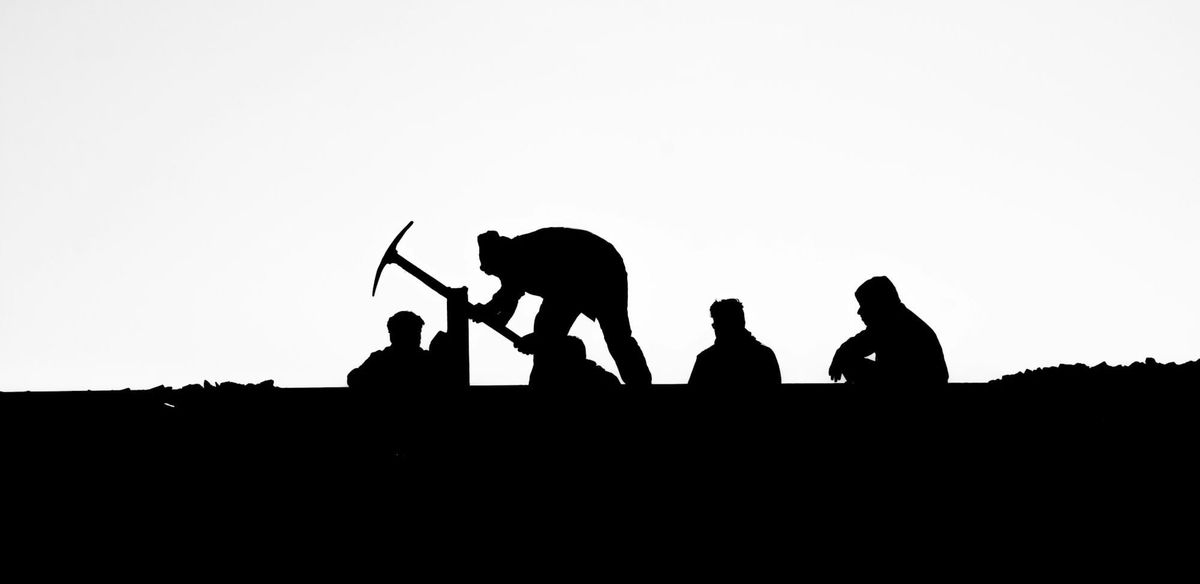
In an increasingly globalised economy, industries are under growing pressure to deliver products faster, cheaper and in larger quantities. While this may benefit the consumer, it greatly intensifies the time and cost pressures on firms, raising an important question: how far are companies willing to go to remain competitive?
Around 27.6 million people are estimated by the International Labour Organisation to be trapped in forced labour worldwide, with this figure including children, who account for approximately 3.3 million of those subjected to this involuntary work. In the private economy, forced labour is estimated to generate $236 billion in illegal profits annually worldwide, demonstrating the significant financial incentives behind such exploitation. These incentives appears to stem predominantly from the economic drivers of forced labour: slashing costs and maximising profit margins.
But what is forced labour itself? Forced labour is any type of work or service extracted from a person under the threat of a penalty and for which the person has not offered themselves voluntarily. This covers all types of work in any industry or sector, and coercion can take many forms, such as the retention of documents like passports or visas to prevent workers from escaping, compulsory overtime under threats of dismissal or wage withholding, or state-imposed labour, including involuntary prison labour linked to private commerce or state-mandated work. A well-known example of forced labour is slavery, or the umbrella term 'modern slavery', which includes the exploitation and coercion of people into working without consent. However, it is important to recognise that slavery also involves the ownership of people, while human trafficking is another distinct but related form of exploitation. Therefore, slavery falls under the broader category of forced labour but does not solely define it.
One of the main reasons why employers and states use forced labour is to remain competitive while maintaining total control over a more vulnerable workforce. Cost minimisation is arguably the biggest motivator for forced labour, as employers are able to withhold wages, pay well below legal minimums and force unpaid overtime, all of which eliminate standard labour costs. Highly saturated markets, such as the fast fashion industry, agriculture and construction, create significant pressure for businesses to remain competitive by offering lower prices while also coping with fluctuations in demand. By employing low-skilled and labour-intensive workforces, businesses may exploit their employees through fear and intimidation (including threats of violence or deportation), eliminating workers' bargaining power and reducing labour turnover in order to continue their illegal practices and retain high profit margins.
A historical example of forced labour can be seen under Nazi Germany and its exploitation of prisoners of war (POWs) and civilians in occupied territories. Forced and slave labour made up roughly 20-25% of the total German workforce by 1944, with more than 14 million people from across Europe being forced to work for the Third Reich, of whom 4.6 million had been POWs. This demonstrates how forced labour had become integrated into the German economy, sustaining industries that were otherwise at risk of collapsing. Forced labourers were used everywhere: in construction, arms production, agriculture, skilled crafts and many other industries, in order to meet labour demands during wartime shortages.
Corporations such as Siemens and I.G. Farben were able to cut costs and drastically increase profits through the use of unpaid or underpaid prisoners. Notably, the legacies of these corporations extend beyond the Second World War, with Siemens still operating today and parts of I.G. Farben's successor businesses surviving through other companies, despite their predecessors' history of unethical involvement in forced and slave labour. Siemens has since acknowledged its historical involvement and contributed to efforts to compensate former forced labourers through the 2000 EVZ Foundation. While there were many ideological motives behind Nazi slave labour, such as the idea of 'extermination through labour' through the provision of lethal working conditions, the underlying economic incentives were also crucial alongside racial ideology.
Unfortunately, forced labour is not a thing of the past; it remains hidden and integrated into the modern economy in various ways. 63% of those in forced labour today work within the private economy. However, forced labour also extends to commercial sexual exploitation and state-imposed forced labour (in places such as North Korea and China). The primary industries in which forced labour occurs today include agriculture, fishing, manufacturing, construction and domestic work. Common products associated with forced labour include cotton, garments, cocoa and tomatoes. The UK Parliament estimates that around 'two-thirds of all forced labour cases are linked to global supply chains'. With supply chains consisting of many tiers or scattered networks that may involve forced labour, it becomes very difficult for a buyer or retailer to assess the risks of forced labour or human rights violations throughout the entire operation. However, corporations must recognise that their responsibility extends beyond their immediate workforce, requiring them to actively investigate and address forced labour throughout their supply chains rather than allowing the complexity of global production to shield them from accountability.
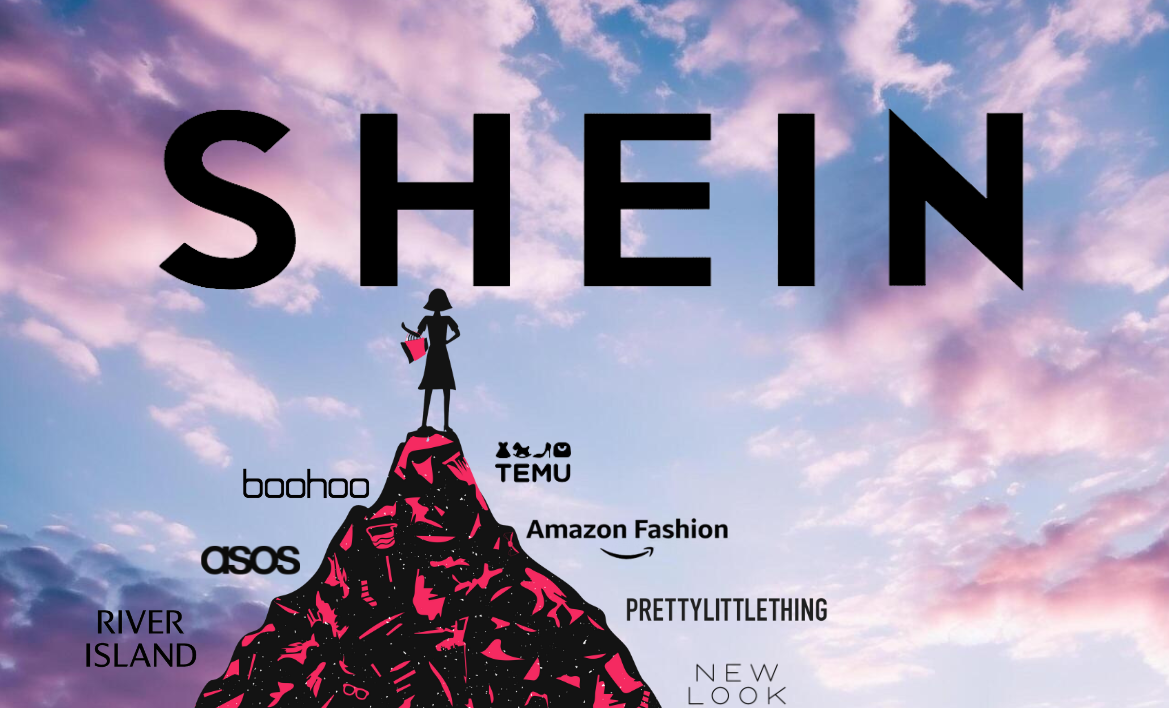
In recent years, SHEIN (an online fast fashion and lifestyle retailer) has faced major criticism and scrutiny over forced labour, labour abuses and supply chain transparency. Workers in SHEIN's supply network regularly work 75 hours a week (compared with China's 44-hour working week limit) for up to 31 days a month, with only one day off each month. Most employees are also paid on a piece-rate basis, which can mean their pay falls below a sustainable living wage. Through these and many other alleged violations, SHEIN is able to significantly reduce its labour costs, allowing it to maintain its extremely competitive prices and rapid supply chains to meet abundant international demand. Despite these allegations, SHEIN has yet to demonstrate full transparency across its supply chains, making it increasingly difficult to identify the specific suppliers and companies responsible for breaching human rights and labour standards. This lack of transparency can allow exploitative practices to persist further down the supply chain while making it harder to hold the businesses involved accountable.
Deceptive job offers, debt bondage, coercion or threats, and the confiscation of documents are just some of the ways people end up trapped in forced labour. In the UK, the government has 'a patchwork of domestic legislation which is relevant to forced labour and supply chains', with the Modern Slavery and Exploitation Helpline available for those with concerns. However, the UK Parliament also states that 'this current framework has not prevented goods linked to forced labour from entering the UK market'. Hence, it is important for other countries, especially those whose workforces contribute significantly to international supply chains, to enforce protective legislation to safeguard workers' human rights.
Economic competitiveness and infinite consumer demand should never justify the exploitation of vulnerable workers. Both businesses and governments must be held accountable for the conditions under which their products are manufactured and their workforces treated, regardless of how far removed they are from the exploitation itself. Furthermore, while compensation can provide some form of redress for victims of forced labour, meaningful progress ultimately depends on the strict enforcement of human rights legislation to prevent such exploitation from continuing in the future.
By Sylvia Chougule