The Cost of Being a Woman: Understanding the Gender Health Gap

Women's health is massively under-researched, overlooked, and stigmatised. Globally, women spend approximately 25% more of their lives in poor health than men, creating a gap that is both a moral concern and a significant economic challenge.
These disparities in healthcare access and health outcomes arise from a combination of socioeconomic, behavioural and systemic factors, which collectively result in suboptimal health outcomes for women. Historically, medical research has focused on male biology, leading to the widespread under-representation of women in health studies. Consequently, this has had significant implications for the diagnosis and treatment of conditions that disproportionately affect women. For example, it takes the average person suffering from endometriosis 9 years and 4 months to receive a diagnosis, despite this condition affecting approximately 10% of reproductive-aged women globally. One of the main reasons for this is that symptoms are frequently attributed to hormones, periods, menopause, stress or anxiety without sufficient investigation. Research has found that 56% of women have experienced pain bias, with their pain being dismissed by healthcare professionals. Such delays significantly exacerbate suffering and reduce quality of life. This reflects a lack of understanding of female anatomy, resulting in women's health being unintentionally overlooked, while also affecting women's participation in the labour force. In turn, this creates wider economic challenges, as the workforce becomes less productive, potentially stunting long-term economic growth and making nations less competitive.
Women often experience stigma and embarrassment surrounding female-specific health issues, such as menstrual disorders, infertility and menopause, which can discourage them from seeking medical advice. This can lead women to self-manage their symptoms using over-the-counter medication rather than seeking professional medical help, potentially exacerbating health disparities. Such behaviours therefore raise questions about whether women are responsible for the pain they experience or whether ingrained societal expectations condition their behaviour, preventing them from seeking timely medical advice. When considering the historical oppression of women, I would argue that the latter is the more self-evident explanation.
Furthermore, socioeconomic inequalities remain a critical driver of health disparities, as women from low-income households are disproportionately affected. They often struggle to afford medical treatment due to financial pressures and encounter inflexible workplace arrangements that limit their ability to take time off. These factors are further exacerbated when women are the primary caregivers for children or parents, as they often are. Such unpaid caregiving has a profound ripple effect across the labour market, as women can become entirely locked out of the workforce and fall into poverty when they no longer have the time or ability to participate in paid employment. Therefore, the lack of support available to women from disadvantaged backgrounds leaves them particularly vulnerable to poor health. This also negatively affects the economy, as governments may face increased public expenditure to address workforce shortages and rising levels of poverty.
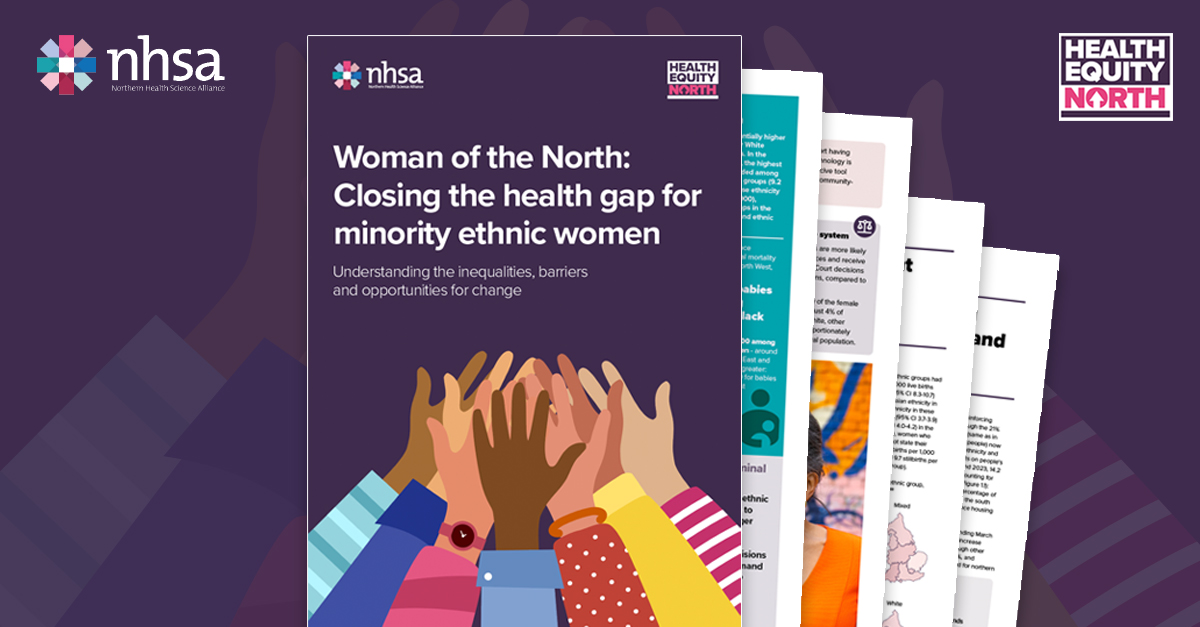
Intersectional disparities further complicate the gender health gap. Women from racial and ethnic minorities face compounded challenges due to cultural, economic and systemic barriers. One of the main obstacles is the language and communication gap, which can hinder diagnosis and treatment. Beyond this, wider societal factors, including deprivation and structural racism, can reinforce inequalities among ethnic minority groups. These barriers are further exacerbated by the absence of gender-specific strategies within healthcare systems, including that of the UK, which often fail to account for the distinct healthcare needs of women at different stages of life. Research has found that minority ethnic women in the North of England report substantially lower levels of good health than those in the South and London, at 77.4%, compared to 88.5% and 82.9%, respectively.
Despite some policy initiatives, such as the Women’s Health Strategy, which aims to address gender disparities in healthcare access, financial investment in women’s health remains disproportionately low relative to the economic burden of female-specific conditions. In 2020, only 5% of global health research and development funding was allocated to women’s health research, with 4% directed towards women’s cancers and a mere 1% towards all other health conditions. Perhaps most strikingly, it is estimated that improving women’s health could add seven extra healthy days per woman per year, and increase global GDP by $1 trillion by 2040, through cumulative gains over the next decade. This could be achieved as the labour force becomes more skilled and productive, with healthier women less likely to take sick days and better able to perform their work effectively. Ultimately, this statistic underscores the enormous long-term benefits of investing in women's health.
In conclusion, to narrow the gender health gap, policymakers should consider reforming healthcare systems globally by mandating the collection of sex-disaggregated data, ensuring that both men and women receive high-quality healthcare, reallocating funding towards under-researched areas and addressing the overlapping inequalities associated with race, gender and socioeconomic status.
By Maria Slastikova





 The Women's Organisation
 Unknown



 Vincent Livolsi
 hannah davies