Who decides what we’re allowed to hear?
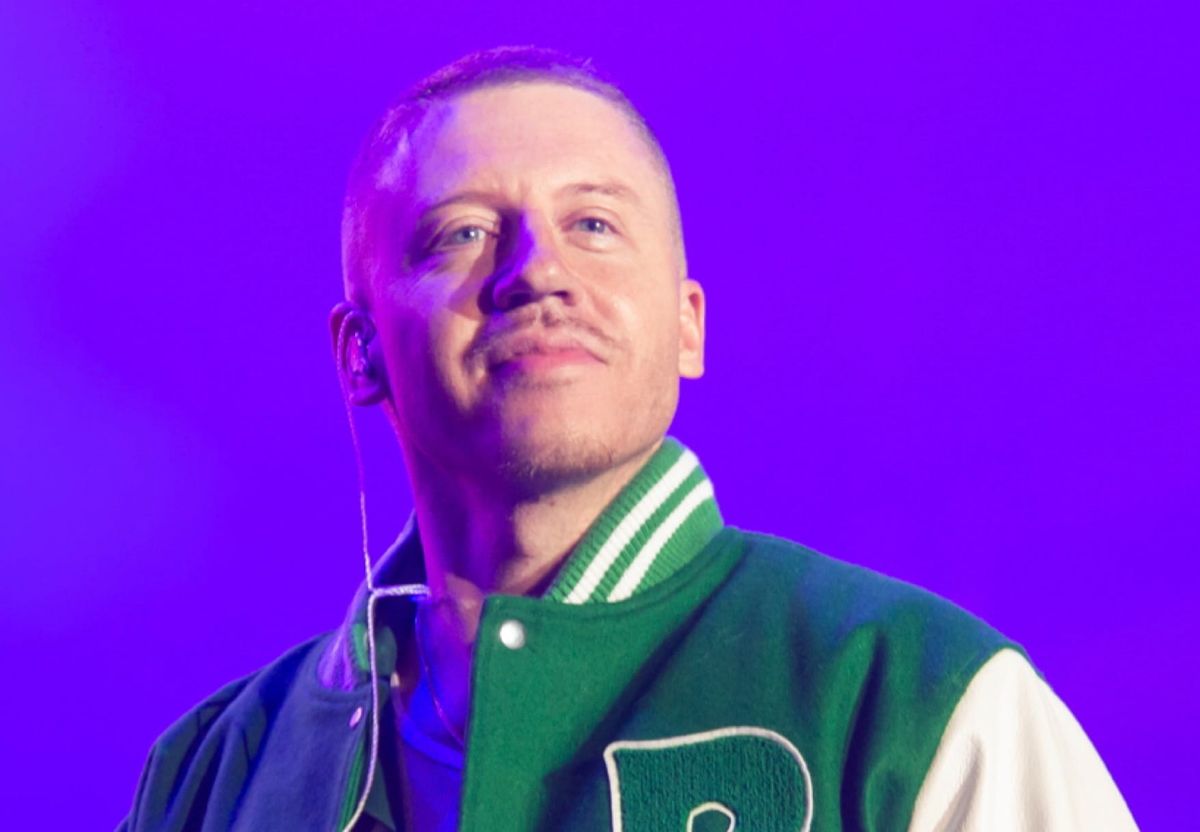
In September 2026, the rapper Macklemore was dropped from Ed Sheeran's US tour due to pressure from advocacy groups and venue owners after saying “Free Palestine” at a New Jersey show. His offence wasn’t a slur, scandal, or a bad performance; it was an expression of his personal views.
Regardless of what you may think about what he said, we have to acknowledge that he broke absolutely no laws but was removed from the stage by the private people who owned it. That is how most censorship works now: with decisions made by whoever owns the platforms.
We're taught that free speech is a settled right, protected by law. In much of the world, it is, but only from the government. The US First Amendment, for instance, stops the state from silencing you. It says nothing about a venue owner, a record label, a social media company or an advertiser.
That's the loophole. Almost every stage you might actually speak from is privately owned, and owners are free to decide who stands on it. Your legal right to speak is real, but it comes with no right to a microphone, a venue, or an audience.
The people who own the stage
The silencing of artists over their views isn’t new, nor is it confined to the Palestinian conflict. In 2003, the country group the Dixie Chicks (now The Chicks) announced to a London audience that they were ashamed the US president, George W. Bush, came from their home state of Texas, following the invasion of Iraq. Cumulus Media proceeded to pull their music from all 42 of its country stations overnight, and their single “Landslide” fell from number 10 to 43 in a single week before disappearing completely.
Advertisers are able to apply a subtler pressure. Most media survives on ad money, and advertisers are nervous about controversy. So, the safest content is showcased, while anything challenging is seen as a financial risk. Over time, we can mistake that narrow, sponsor-friendly view of the world for the whole story, because we cannot consider views we never knew existed.
Hollywood’s relationship with the Chinese market shows the clearest example of how media can be used for censorship. China lets in only a limited number of foreign films a year, and each must pass government censors. So, some studios edit their films to try to get in, by being more palatable to international audiences. For example, the movie Red Dawn had the villains digitally changed from Chinese to North Korean in post-production to protect access to the Chinese market. Studios make these changes voluntarily because a market of over a billion people is worth more than a single scene.
Why this should bother you
The damage isn’t only incurred by the silenced act, but by everyone who is watching. After The Chicks, other artists saw the cost of honesty and kept their opinions to themselves. Researchers call this the “chilling effect.” The result is a society that looks free, because nobody is being arrested, while owners are quietly restricting any opinions that may be upsetting.
This is amplified by the fact that so few people hold this power. In 1983, around 50 companies owned the majority of American media, while today only a handful own most of what millions watch, read and hear. The direct implication of this is that the ideas we may be exposed to reflect the views of a narrow group of people, most of whom may be privileged and detached from the most pressing issues facing society.
Private censorship is often harder to fight than the government kind, precisely because it is legal, invisible and deniable. A government ban is a clear target you can protest. But how do you protest a booking that never even happened, or a scene deleted before you ever knew it existed?
This should be worrying regardless of your own beliefs and politics. The power to decide who gets a stage isn’t loyal to any cause. The voice that is being silenced today may be one that you disagree with, but the same process can be used to silence the view you hold most dearly tomorrow.
What we can actually do
The situation isn’t hopeless, but it demands efforts on two fronts.
Governments can act to increase accountability. The problem isn’t that platforms moderate content, but rather that they do it invisibly. The EU’s Digital Services Act now forces large platforms to explain why they remove or bury content and to let users appeal. Stronger competition laws that stop a few companies from dominating media can help too. More owners may increase the range of views that are being showcased.
But without legislation, the Macklemore story proves that we as viewers are not powerless. Other acts walked off the tour in solidarity and ticket prices for the remaining shows reportedly fell. He announced his own bigger tour, where the earnings will be donated to charity, drawing far more attention to his cause than a single announcement on stage ever would have. Sometimes by trying to bury something, you can unintentionally amplify it instead.
We need to seek out the same story from different sources, and support artists and platforms that answer to their audiences rather than their advertisers. So, when you stop hearing about an artist, or a story fades too quickly, stop and ask yourself who owns the stage. Ultimately, views that we may find uncomfortable still have the right to be expressed.
By Aisha Abdulsalam.
Sources:
[2]
https://www.billboard.com/music/country/chicks-radio-banned-george-bush-oral-history-1235087442/
[3]
https://www.cnn.com/2022/07/08/media/hollywood-china-censors-box-office-intl-hnk/index.html
[4]
https://www.huffpost.com/entry/red-dawn-changes-villains_n_836439
[5]
https://slate.com/news-and-politics/2004/08/the-media-monotony.html