Britain’s Diesel Crisis: Market Forces or Political Failure?
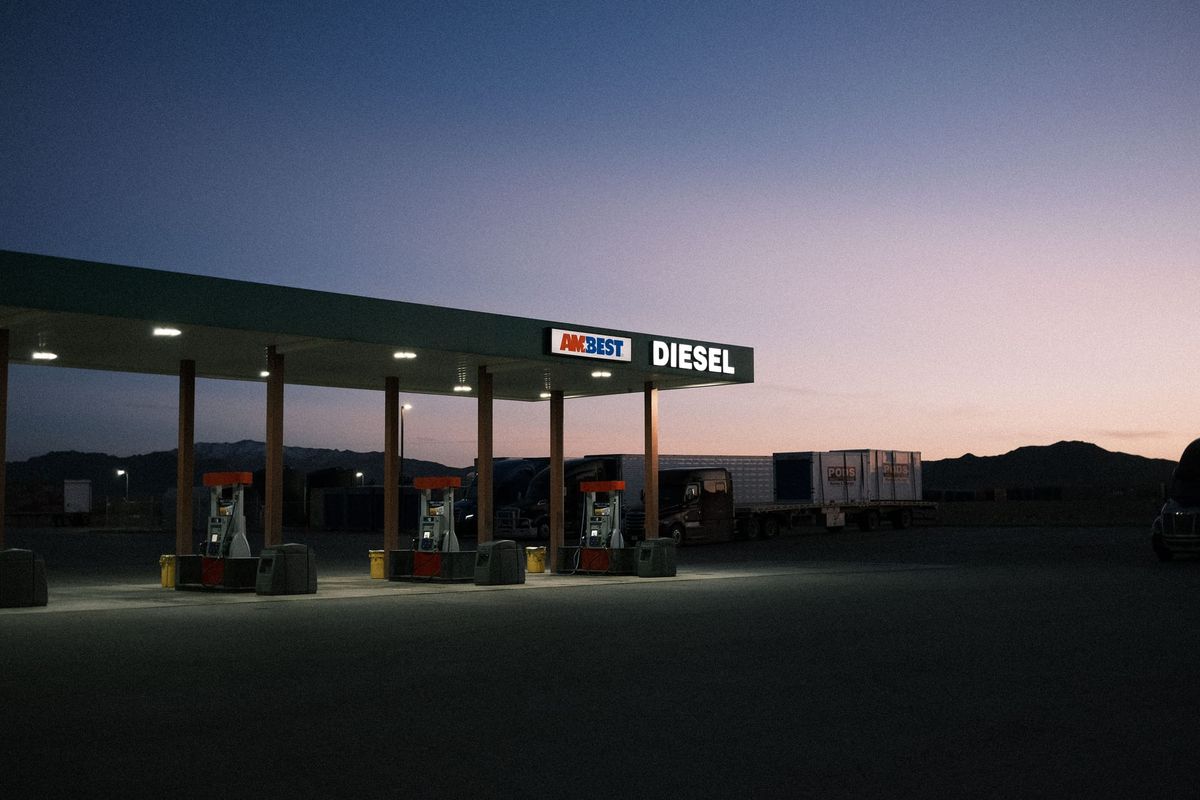
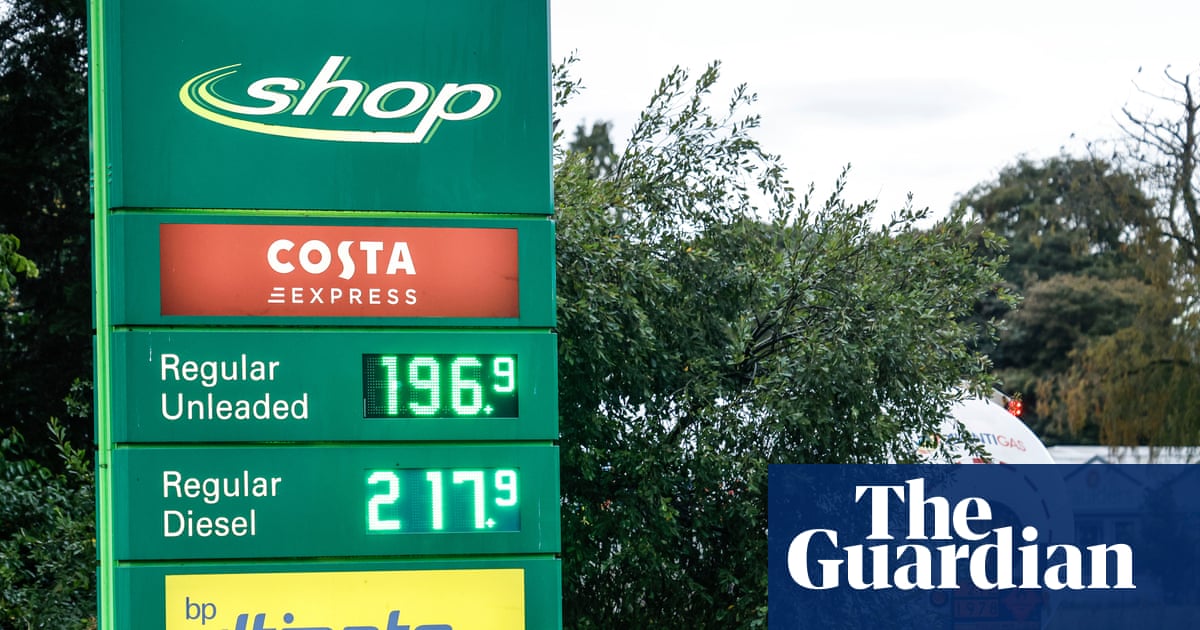
Reports from media outlets illustrate that the UK has approximately 40-42 days of emergency diesel reserves, which is one of the lowest in Europe. The price of diesel has rocketed up to £2 per litre for the first time in British history, leading to the average family's diesel costing £110. Evidently, the UK is 100% in a diesel crisis.
But what does this actually mean? What does 40 days mean? What will happen after those 40 days? How and why has the government let it lead to this big a crisis?
There are various explanations and reasons for this, such as global conflicts, refinery closure, low reserves, and international pressure. The 40 days left sound like a countdown to the end of the world, however, it is not as easy as that. Instead, it is a "buffer zone". The UK government will not permit the public to be deprived of diesel. This buffer zone alerts the UK government to play with international affairs while new supply chains are working out. Governments will do everything they can in order to stretch that 40 days into 80 or 120 days until they find a long-term solution. Furthermore, the reasoning behind the increase in diesel prices is due to the contraction in supply leading to a shortage in the market. This overall leads to a price increase due to the demand for diesel being inelastic as diesel is considered a necessity for day-to-day lives.
However, thanks to the newly struck G7 agreement, to release international emergency reserves, the UK is very unlikely to completely run out. The G7 agreement is where 7 countries - Canada, France, Germany, Italy, Japan, United Kingdom, and United States - have agreed to work together to overcome various problems. These countries all hold immense amounts of stockpiles of gas, oil, etc. to use during severe times of shortage. By creating this agreement, these countries have quite frankly created security for themselves and have stabilised the energy grid for the future. The G7 nations have agreed to release 100 million barrels of emergency diesel and crude oil. However, because the UK's reserves are so low compared to other countries such as Germany and France at approximately 200 days, donations from the USA would only be a short-term relief and if further global conflicts occur the UK will struggle even more.
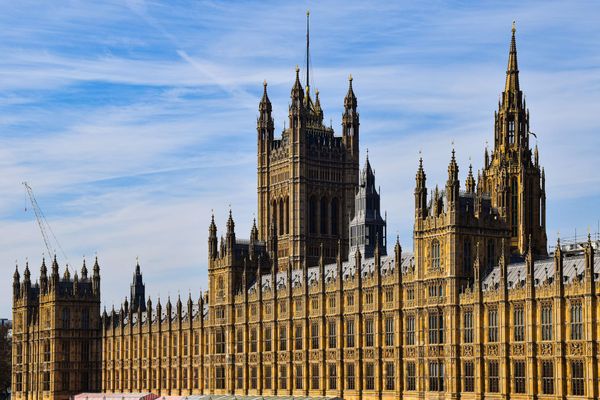
Furthermore, it would be misleading to portray the current crisis on something the Westminster has done.
The increasing value of diesel and other energy resources is international. The Strait of Hormuz has disrupted oil transportation due to the Iran and USA conflict. The Strait of Hormuz is highly significant to the reasoning of the crisis as it is one of the world's most strategically important energy routes. Whilst crude oil has now officially reached the same level it was pre-war due to alternate routes, diesel has not. The Guardian reported that resources such as diesel were still 20% below pre-war. Many would question the fact that if the UK can bring in crude oil why can't they do the same with oil, however, they are two very different things. Oils such as diesel are required to be transported to refineries and processed before it can be a usable fuel.
Moreover, due to the fact that the Strait of Hormuz frequently faces complications on whether resources are able to reach the UK and many other nations there is less diesel available. This then means countries compete for replacement supplies, an increase in wholesale diesel prices and the UK pump price rises. Additionally, Russia is very significant in this crisis as refinery strikes and export bans have left pump prices to rise. Russia had put export bans following threats on its infrastructure, and those bans removed a huge volume from the global market. Due to the fact Russia is the second-largest diesel exporter anything they do will affect every country. The Iran conflict ongoing at the same time of Russia's export bans means that there is a huge disruption in the energy market, and all countries not just the UK are affected.
Focusing on the real dilemma on whether the UK's vulnerability is linked to politics or economics, a factor is how the UK participated in a globalised energy market, rather than directly the government's fault. According to gov.uk, the British refineries only produced 54.9% of the country's road-diesel demand, the remainder of 45.1% was imported from the US (35%), Netherlands (21%) and Germany (16%). Together, they supply 70% of imported diesel. Due to America exporting such a high majority of diesel, if the USA decides to put restrictions on their export, the UK will have to find replacements quickly and other countries are in the same boat which causes competition to increase. As competition increases rapidly, prices are also rising, which explains why a litre now costs £2.
But, there is also another side to the story.
The UK has not caused anything, however, it has made a conscious economic choice to rely heavily on the international market for refined fuel. But, governments reports illustrate that UK refineries have produced enough petrol to meet domestic demand in 2024 but only supplied 54.9% of diesel demand, and therefore exported petrol while importing diesel. The reason why the UK exports petrol but imports diesel is because it is cheaper for them to import diesel leading to greater efficiency, which overall lowers diesel prices for businesses and consumers. Importing diesel means lower costs, cheaper supply, more efficient allocation of resources and the public benefits.
While this is incredibly beneficial and a strategic approach to maintaining considerate prices, it leaves the UK in a highly vulnerable position and creates a massive security risk during global crises. In the past few years, the UK has become increasingly dependent on overseas diesel, there has been a dramatic shift such as in 2003 the UK only had 13% of its diesel imported, and in 2025 that number skyrocketed to 55%. This demonstrates that it is a security threat for the UK to rely so much on overseas trade as international disruptions directly threaten the UK's fuel supply and can cause prices to rise at any time. Additionally, this data heightens concerns that the percentage of diesel imported will continue to rise at a further rate until the UK becomes fully dependent on overseas, making the UK even more vulnerable.
The UK government is also held to some extent accountable for the crisis, but not directly. The government didn't cause today's geopolitical crisis, but rather they should have anticipated that international energy markets would become unreliable. The government could have intervened, for example by subsidies, tax incentives and possibly lowering industrial energy bills. Saying the government should have saved the refineries is an oversimplification, the reason why and how the UK and other countries got into these problems is often not self-inflicted, but something external that affects them.
Returning back to the central topic of only "40 days" of diesel left, it is significant to note that Britain does have emergency fuel stocks because it must comply with International Energy Agency requirements. Recently, the government confirmed in parliament that "HMG does not hold separate Government-owned strategic reserve of petrol or diesel". This means that the UK in fact is in its requirements for holding emergency stocks, and legally requires private oil companies and refineries to keep extra oil for emergencies.
There are various debates about whether there should be government-controlled reserves or industrial-controlled reserves as there are many advantages and disadvantages to both. But, quite frankly, there is no more economically beneficial answer to the question, but the current situation illustrates why this topic is so significant.
Furthermore, while this topic is heavily focused on politics and economics, climate change is also a subtopic. Britain wants to heavily reduce its use and dependence on fossil fuels, yet the economy is in need of it. Diesel powers an immense amount of stuff that the public need, such as buses, generators, industrial machinery, etc. On the other hand, Britain wants to need less diesel as it won't be able to fulfil the needs. Should Britain be spending lots of money in order to protect diesel infrastructures or should they be investing in trying to move away from fossil fuels and invest in other aspects such as electric cars, alternative fuels, etc. However, the UK obviously cannot just stop investing in diesel, this transition will take time however the result will lead to an immense improvement.
The consequences of diesel do not stop at petrol stations but start there. Due to the fact that diesel is an input into almost every part of modern society, it leads to being a macroeconomic problem. If there are higher diesel prices, there are higher transport costs, and higher costs of moving foods and goods. That leads to businesses raising prices for customers, leading to inflationary pressure, this is most regularly known as "cost-push inflation". This especially demonstrates the significance of diesel, the cost of diesel increasing affects everything a loaf of bread you buy, going to the cinema, going to work. Eventually as inflation rises the government is faced with once again another dilemma. One which doesn't really have a solution.
The involvement of the G7 highlights the concept that no matter whether a nation is well equipped or not, global conflicts cannot be prevented and countries must work around them. When major energy shocks occur, nations must rely on international teamwork in order to stabilise the market, rather than working individually. Releasing emergency oil reserves is highly effective and resolves problems, but only for a short amount of time. Governments are fully aware that it will not fix the problems for the long term, but they do it in order to buy time, not to create new refineries, not to end wars.
The government cannot directly stop geopolitical conflicts, production cuts, and market competition however they are responsible for how well the country is protected against them. The government must keep in mind that no matter how much security they have such as the G7 they must always be aware of the possibility threats as they are in their capacity of power.
To conclude, calling the diesel crisis entirely an economic or political failure would be partially inaccurate, as it would disregard external circumstances. The immediate rise in oil prices has been caused by international conflicts, disruption to global supply chains, and competition in global markets. Many of the factors affecting prices are out of the UK's control, therefore it would be misleading and inaccurate to illustrate the crisis as the government's fault. However, the vulnerability of the UK is to some extent the government's actions fault. The level of dependence the UK has on overseas countries reflects not just the current crisis, but years of economic and political decisions. Decisions on aspects such as refinery capacity, energy security, taxation have all played some part in what the UK is now living. The main economical aspect of it is between efficiency and resilience. The UK's reliance on international markets has also been beneficial in times of history, however it can also lead to weak security as once again the UK does not have the ability to estimate when geopolitical conflicts will occur and does not have the power to end them.
Moreover, Britain's crisis cannot be defined as either an economic problem or a political failure, although its vulnerability has significant political aspects. Britain cannot completely cut itself from the global market, but the government must soon decide how much it is willing to spend to protect the country from future crises. The UK should also consider shifting its primary focus towards sustainable resources such as electric cars and alternative fuels. In the long term, this could reduce dependence on diesel and allow money to be redirected towards other areas such as healthcare, while helping Britain move beyond the damaging legacy of the diesel crisis.
By Rona Rahel
Sources
 Graham Hiscott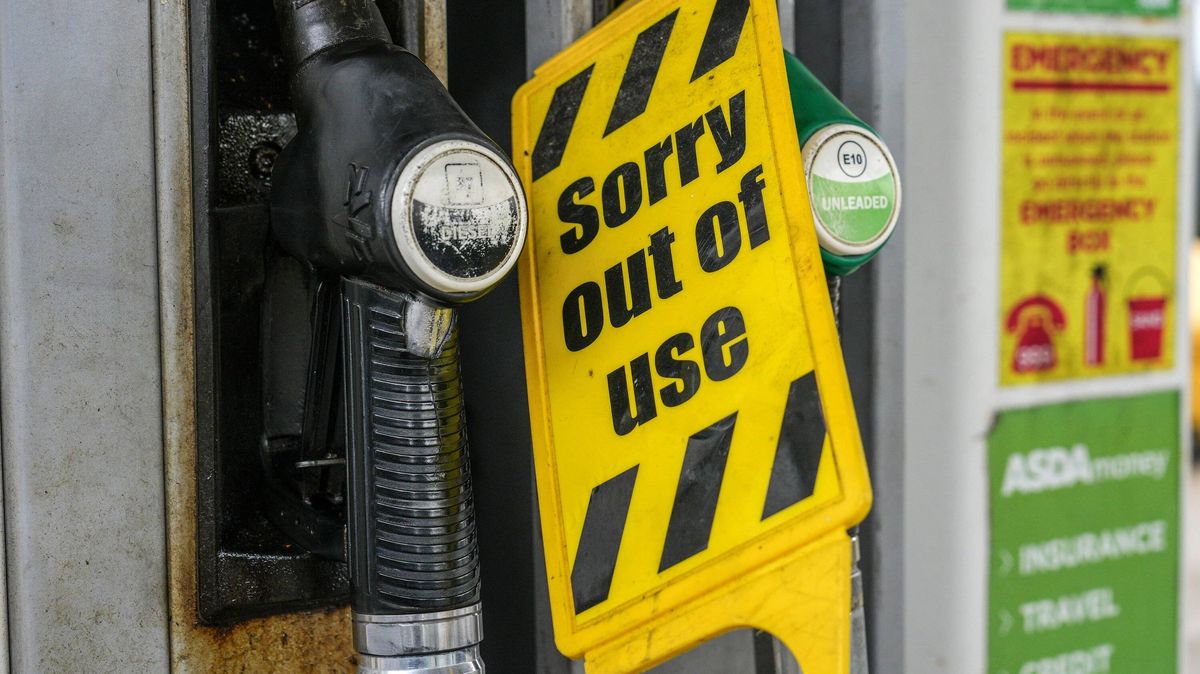
 Matthew Lynn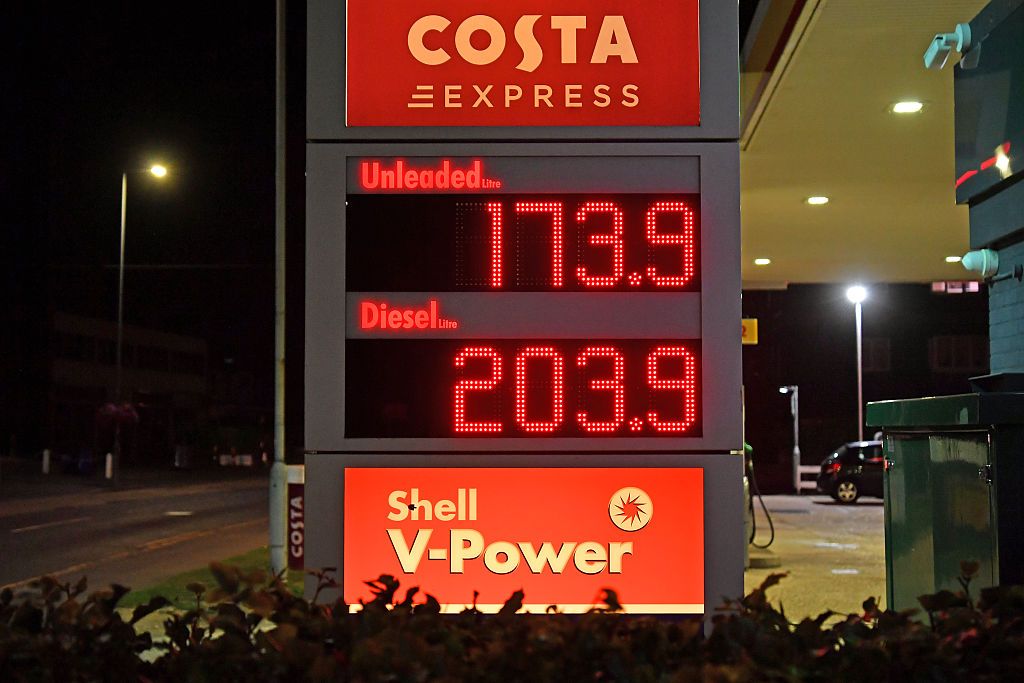
 Department for Energy Security and Net Zero
 Lucy King
 Reuters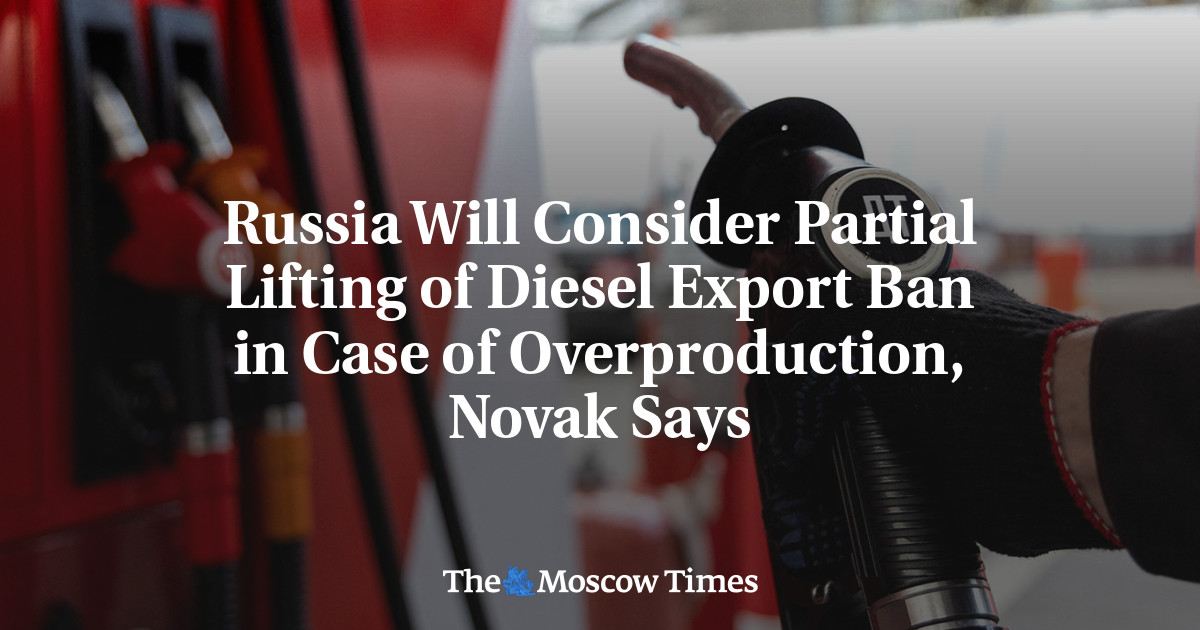
 Mark Sweney