The Sustainability Trap
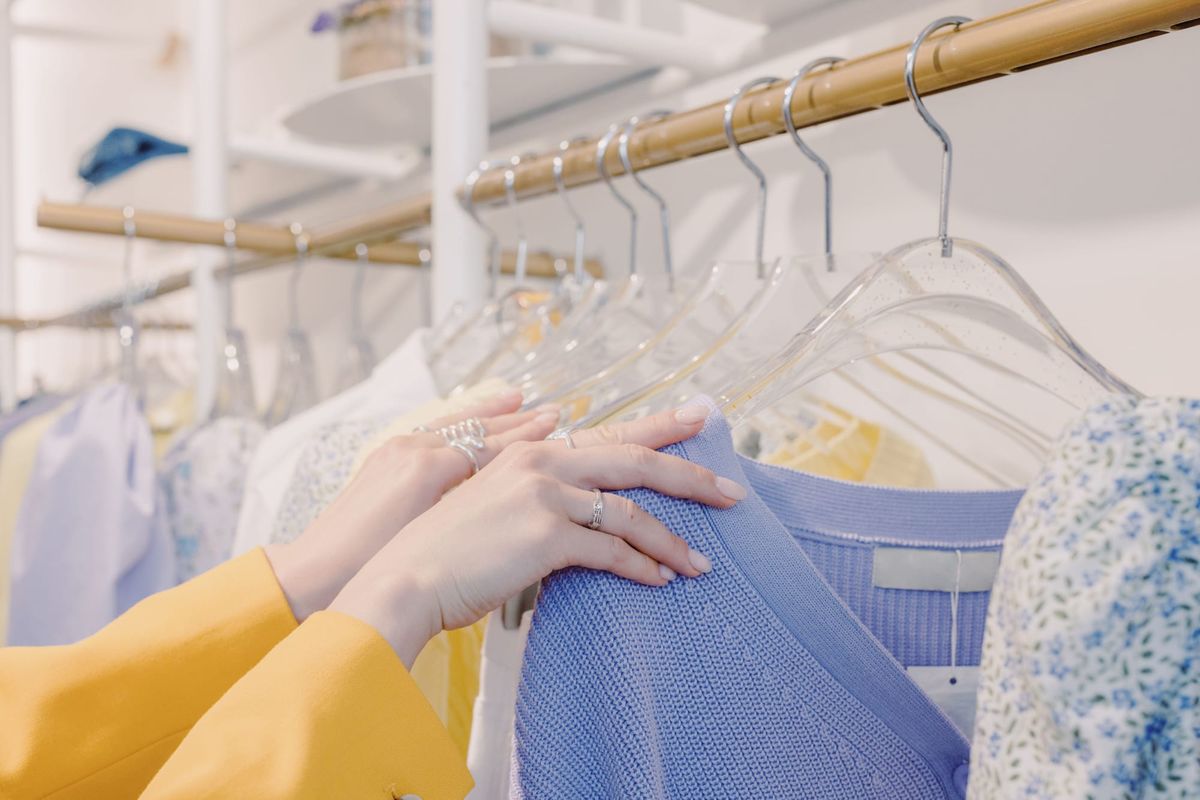
Somewhere in a factory in Dhaka, a woman is sewing a shirt she will never own. She might earn around 33 US cents an hour, while the shirt will hang in a shop in London or New York with a £30 price tag. Of that price, the wage of the person who actually made it accounts for as little as 2 or 3 per cent. Sweatshops and exploitative labour contracts aren’t anything we don’t know about, but there is more to the issue than most of us realise.
The maths of a t-shirt
Across the industry, the pay of garment workers rarely exceeds 3 per cent of what you hand over at the till. Only around 2 per cent of the world's garment workers earn what campaigners call a “living wage”: enough to afford food, rent, healthcare and a little to save. Nearly everyone else is paid a legal minimum that, in many producing countries, sits far below what it actually costs to live.
Here is the part you probably do not know. Closing that gap would be almost free. Oxfam calculated that if brands paid every worker a living wage and passed the whole cost to shoppers, it would add roughly 1 per cent to the price of a garment. Ten pence on a £10 shirt. This was never about profit margins or costs, it was a conscious choice to ignore human dignity.
What is the alternative?
The shopper who cares about ethics does the obvious thing. They look for the tag that says "eco," "responsible," or "sustainable.” They spend more on these items, believing they’re making a difference.
However, they are unaware that those words, legally, mean almost nothing. "Eco-friendly," "green," and "conscious" have no fixed definition and, in most places, no regulator body checking them. The Changing Markets Foundation examined the sustainability claims of dozens of major fashion brands and found that around 60 per cent were baseless or misleading. A European screening of green claims across industries found nearly 40 per cent could be outright false. The premium you pay to feel better is doing exactly that, and nothing else.
In 2022, following an investigation by the Dutch consumer regulator, H&M agreed to adjust its sustainability labels like ”conscious” and inform customers more clearly. In August 2025, Italy’s competition authority went further, fining Shein one million euros for what it called misleading and deceptive environmental claims. These are not activist accusations, but official investigations and conclusions by national regulators. This highlights how a green label can be used to reassure a shopper rather than actually informing them.
The first issue of underpaying the people who make our clothes is at least honest in its brutality. The second wrong uses consumer guilt as a way to make profit. You reach for the ethical option precisely because you care, but the brand selling to you may not. This works because caring is exhausting to act on. Checking a supply chain is hard, while reading a reassuring word on a label is easy. So brands carry on exploiting their employees and now their customers.
What actually helps
The answer is not to stop caring, or to carry on buying the cheapest thing on the rack. Cynicism is just another way of doing nothing. It is to understand that a word on a tag is worthless on its own and to ensure that if we are willing to pay more for ”sustainability“ that we are actually getting it.
Independent, third-party certifications like Fair Trade, GOTS or OEKO-TEX, which are checked by someone other than the company profiting from them, can be used to verify which products are worth your money. When a brand is doing the right thing, it tends to be transparent. Things like naming its factories, and publishing its lowest wage, are just a few simple things that add to the credibility of a brand.
The outdoor clothing brand Patagonia is a great example of this. It makes over 90% of its products in independently certified Fair Trade factories, publishes a full list of those factories, and openly reports its own wage data. This includes the uncomfortable fact that as of 2023, only about a third of those factories pay a full living wage. Brands cannot become perfect overnight, but by actively putting in the effort to improve, they are moving in the right direction.
We all have to take accountability by asking the awkward question: who made this, and what were they paid? Because the woman in Dhaka is not helped by the word "conscious" printed on a shirt. She is helped by the shoppers who refuse to mistake a marketing change for a moral one.
By Aisha Abdulsalam
Sources:
[1]
https://cleanclothes.org/faq/pay-living-wages
[2]
https://goodonyou.eco/the-impact-of-a-living-wage-for-garment-workers/
[3]
https://changingmarkets.org/report/synthetic-anonymous-fashion-brands-vague-and-unsubstantiated-green-claims/
[4]
https://www.acm.nl/en/publications/going-forward-decathlon-and-handm-will-provide-better-information-about-sustainability-consumers
[5]
https://en.agcm.it/en/media/press-releases/2025/8/PS12709
[6]
https://www.patagonia.com/our-footprint/living-wage.html
[7]
https://www.patagonia.com/our-footprint/fair-trade.html