The Politics of Food - How does corporate lobbying affect nutrition?

"Everyone eats. Food matters. All of us need and deserve sound nutrition advice aimed at promoting public health - not corporate commercial interests." Marian Nestle's claim resonates globally in the 21st century, as we suffer the consequences of food lobbying.
Lobbying is defined as ‘the activity of trying to persuade someone in authority, usually an elected member of a government, to support laws or rules that give your organization or industry an advantage’. In itself, corporate lobbying is not necessarily disastrous for society and is generally considered to be good for democracy, as it can facilitate public engagement in the policy-making process. It can introduce diverse perspectives to policymakers and provide practical, and well-informed legislation. However, there is clear evidence that lobbying, among other forms of corporate power, tends to distort regulatory regimes in ways that exacerbate social and environmental problems.
Corporate lobbying has transformed the food industry, evidenced through the dramatic transformations in diets over the 21st century, increase in type 2 diabetes, and skyrocketing obesity rates - being at or near all-time highs both nationally and globally. The main culprit of this is the lobbyists, who influence public policy and regulations. These corporations have led to power imbalances within the food system, warping the democratic processes, and hampering the government’s ability to intervene in support of the population's welfare.
Food giants invest billions annually to influence legislation, regulations and public policy decisions - with their primary goal to maximise profits, even if it is at the expense of public health. Their financial influence can cause weakening of regulations - food giants like Nestlé have manipulated public policy by pushing back against the World Health Organisation's strict sugar thresholds for children under the age of three in developing nations, by claiming that their thresholds on carbohydrate content technically comply with local regulations.
This controversy followed consumer outcry, due to the health risks associated with young children consuming high levels of sugar, as investigations found that across the African continent, over 90% of Nestlé's Cerelac infant cereals contained high amounts of added sugar, averaging 5-6g per serving.
Industry groups frequently oppose measures that increase consumer welfare in order to maximise their profits; often this opposition prevents such policies from being passed due to the advisory panels on such matters being populated by industry-friendly members, ultimately skewing recommendations. This is further exemplified through the Mondelēz snack and confectionery company repeatedly demanding the government to veto the proposed regulation of banning junk food promotion. This contributed to the legislation being dropped in June 2023, despite the proposed legislation potentially making minimally processed and nutritious food more affordable for families, which in turn, would have improved the diets of millions.
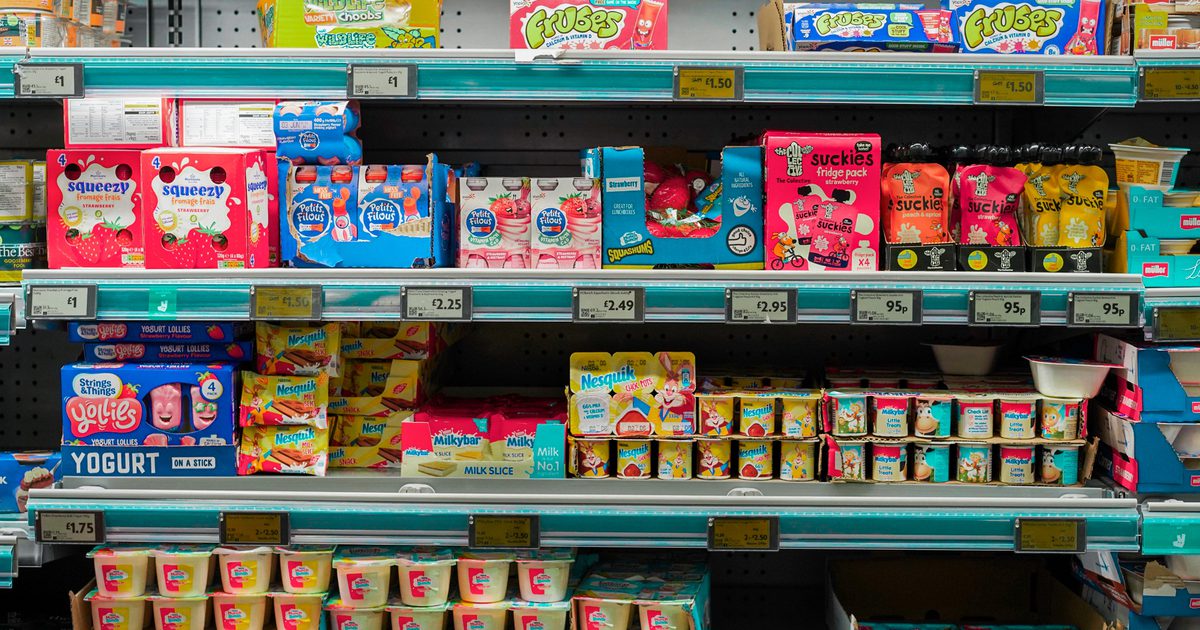
Furthermore, lobbying presents huge concerns for low-income regions, as households often have limited access to education regarding nutrition, as well as affordable, healthy foods being less accessible due to industry-driven retail patterns. By directly preventing healthier options from becoming financially competitive, low-income families miss out on lower prices making a nutritious diet more affordable. This is further exacerbated by the dominance of a few major corporations, leading to price manipulation, thus making healthy foods less accessible; instead marketing ultra-processed foods heavily towards low-income areas.
Based upon these findings, there is overwhelming evidence that corporate lobbying significantly worsens dietary health inequalities by blocking public health policies and regulations, as well as restricting financial incentive for healthy eating. The question is: When will the government address these concerns and prevent corporate malfeasance?
By Maria Slastikova
 Andrew Gregory


 Marion Nestle
 Tim Newman


 Samuel Power