The economics of the girls who do not go to school.
Somewhere right now, a 14-year-old girl is being pulled out of school. Maybe her family needs help at home. Maybe the nearest secondary school is too far, or too expensive, or her parents simply don’t see the point of educating a daughter who will “just get married anyway.” Around 132 million girls worldwide are out of school – most of them teenagers.
The best investment nobody fully makes
If every girl on Earth completed secondary school, the World Bank estimates the global economy would gain between $15 and $30 trillion in lifetime productivity and earnings. Every single dollar spent on a girl’s education returns almost three dollars to the economy. Girls who finish secondary school marry later, have healthier children, earn more, and are less likely to experience violence at home. Economists have said this for decades. Development agencies quote it in every report. And still, in Sub-Saharan Africa, only about 40% of girls complete lower secondary school.
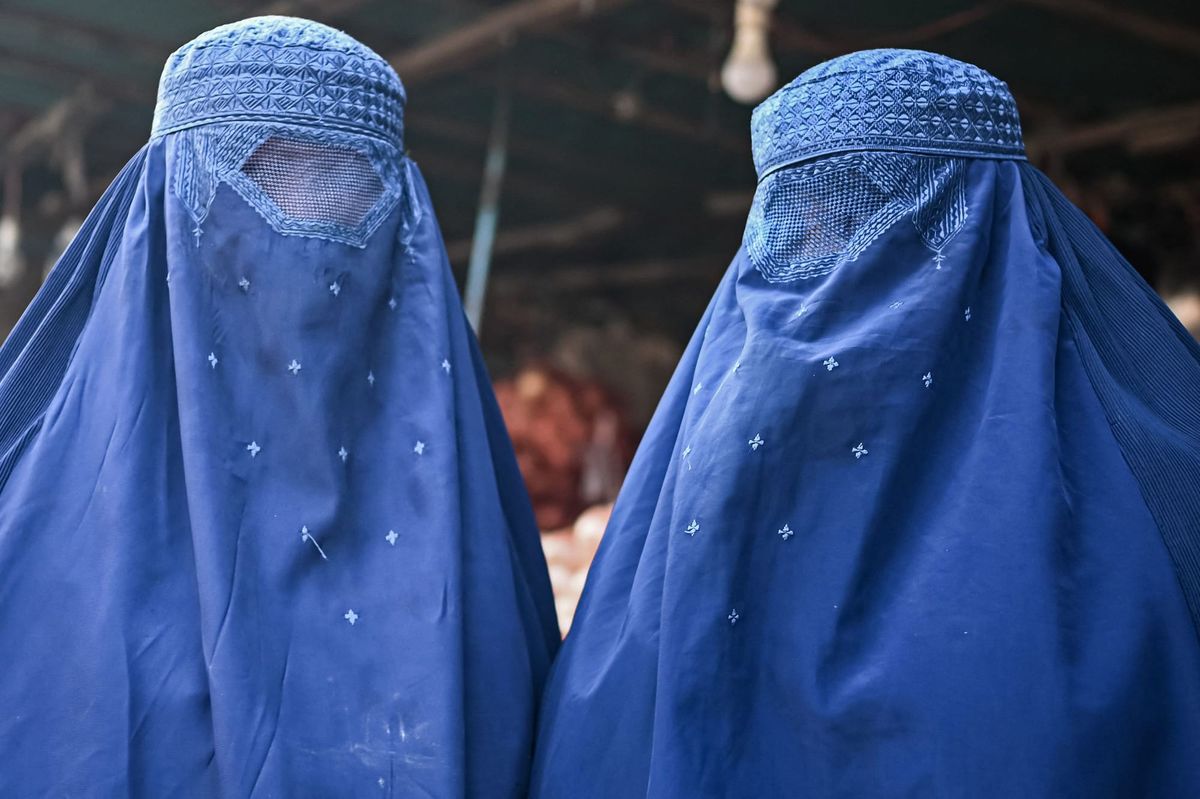
Afghanistan explains this point clearly. It is the only country on Earth where girls are banned from school beyond grade six (excluding 2.2 million adolescent girls). UNICEF estimates this costs $84 million a year in lost output. Furthermore, because the country is producing no new female doctors or midwives while many women cannot be treated by male doctors, there are roughly 1,600 additional maternal deaths and 3,500 infant deaths every year. Denying girls classrooms doesn’t just shrink the economy. It kills people.
So why, knowing all this, does the world keep underfunding girls’ education?
Institutions don’t like to share power
The first answer is uncomfortable but simple: education changes who holds power, and those who currently hold it aren’t eager to share. A household where a wife has no independent income is one where she has less say. A society where women can’t read contracts or represent themselves in court is one where existing hierarchies stay intact. This is exactly why patriarchal systems and societies target girls’ schooling first.
Rwanda shows what happens when women gain control. Women now hold nearly 64% of seats in its lower house (the highest share on Earth). They didn’t just occupy chairs; they rewrote the Civil Code to give women equal inheritance and land rights, passed equal pay laws, and drove legislation on gender-based violence. Educated women didn’t just enter the power structure, they dismantled parts of it. This is exactly why those at the top gain from restricting female education.
Money goes to debt, not girls
There is also a more structural reason. In over 30% of developing countries, government debt repayments now cost more than education, healthcare, climate spending and social protection combined. When a country’s budget is swallowed by interest payments, education is often the first thing that is cut. This means that girls who already face more barriers to school are hit hardest. Zambia is a clear example. Between 2018 and 2021, debt repayments grew from 20% to 38% of the national budget, while education’s share fell from 16% to 12%. Global financial systems consistently put governments in a position where they can’t afford to educate girls, even when they know what the returns would be.
What we’re being sold online
Across TikTok and Instagram, the “tradwife” aesthetic (a curated vision of young marriage, homemaking and financial dependence on a husband) has become one of the most viewed lifestyle trends among young women. Surveys suggest close to half of Gen Z women now say they’d choose this path over a career-focused one.
Researchers note much of this reflects real exhaustion with workplaces that expect total commitment while still leaving women carrying most of the load at home. But whatever the motive, content glamorising early marriage and financial dependence has drastically different effects on a 15-year-old still deciding whether school is “worth it” than on a 30-year-old choosing a lifestyle after already building independence. When the loudest voices online suggest a woman’s value is tied to a husband rather than her own education, aspirations quietly begin to shift.
Why this isn’t just a “girls’ issue”
The problem is that none of this is really about girls at all. They’re about power, money and narrative: the things that shape every economic decision. That’s precisely why the case for girls’ education has to be made repeatedly, and loudly: the barriers were never really about whether it works. They’re about who benefits from things staying the way they are.
The 14-year-old girl being pulled out of school right now isn’t failing to see the value of her education. Somewhere else, a household, a government, or a platform decided that the value was negotiable. It isn’t.
By Aisha Abdulsalam
REFERENCES:
[1]
[2]
[3]
https://www.unesco.org/en/articles/afghanistan-four-years-22-million-girls-still-banned-school
[4]
https://www.unwomen.org/en/news/stories/2018/8/feature-rwanda-women-in-parliament
[5]
https://newint.org/features/2022/12/05/structural-adjustment-zambia-imf-debt
[6]