Our Biological Crisis: Is the World Ready for Climate-Driven Disease?
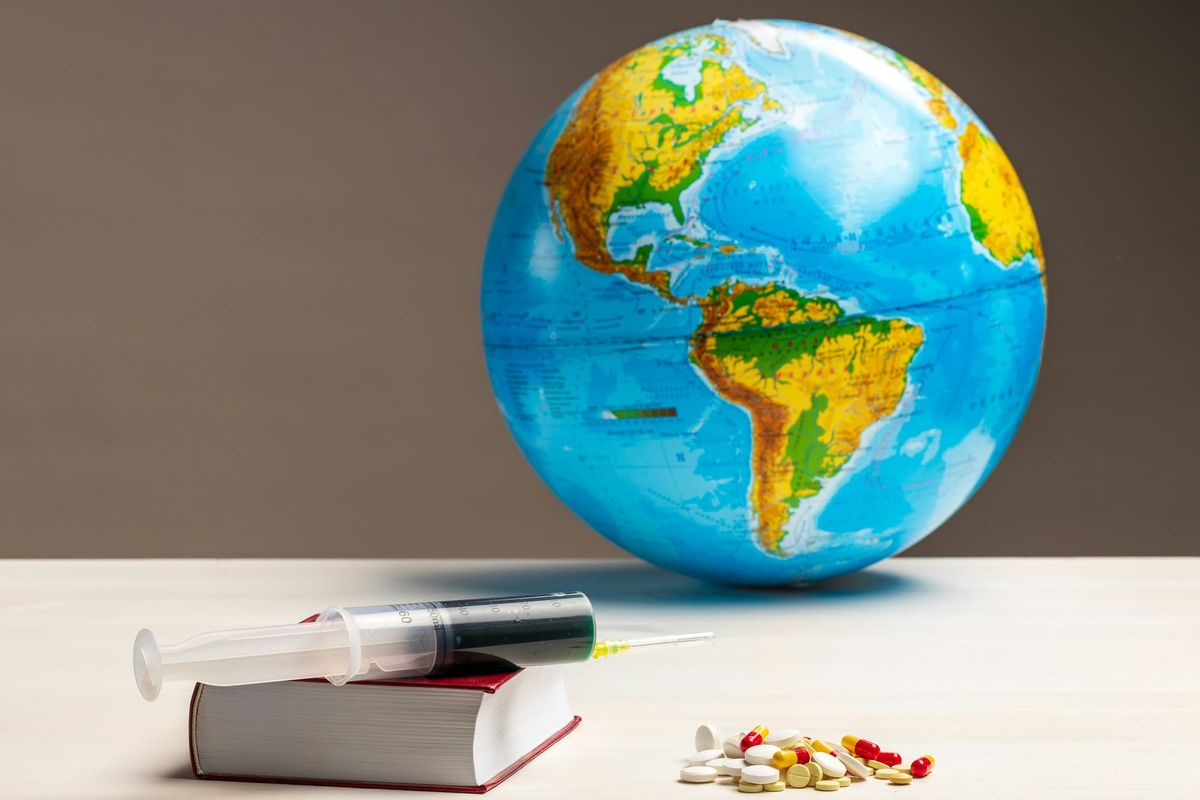
While we often see climate change as an environmental issue, it is rapidly becoming a modern medical crisis. In hot weather, pathogens thrive and mosquitoes have a greater chance of spreading them to humans, causing an increase in vector-borne diseases like malaria. To protect public health, the next generation of healthcare workers must be proactively trained to recognise and manage climate-driven diseases before they are able to successfully manage and handle them.
In the last 5 decades, it is without a doubt that global temperatures have risen at an unprecedented rate. While this is often known for its environmental devastations, an increase in temperatures triggers a quieter, deadlier crisis to unfold within our own bodies. The risk of disease - in particular, vector-borne diseases including malaria and Lyme disease - rises with temperature as well as humidity levels, both of which shorten the Extrinsic Incubation Period (the period of parasite development in the vector). For instance, with malaria, the WHO found 282 million cases in 80 endemic countries in 2024 - an increase of roughly 9 million cases from the previous year. Yet, this aligns with the fact that 2024 has been the hottest calendar year so far - about 0.1 degrees Celsius warmer than 2023. As climate change worsens, the threat to human health escalates: a medical emergency which only puts more lives at an unnecessary, unprecedented risk whilst exerting greater pressure on the healthcare workforce.
Malaria is a fatal disease if left untreated, often triggering a vast range of serious repercussions such as organ failure, jaundice and respiratory distress. Early on, it commonly carries symptoms that include a high fever, chills, muscle aches, nausea and fatigue. Malaria thrives in warm and tropical regions, including in Africa, Asia and both Central and South America. However, contrary to this, the numbers of imported malaria cases in the UK peaked in 2023 - 2106 cases - a 26% increase from 2022 (GOV.UK). So, how has the infection successfully interacted with the UK’s relatively mild and cool climate? Malaria is a vector-borne disease, meaning that the illness is spread by a parasite that is transmitted by vectors, ultimately allowing the disease to reach humans. It is caused by the Plasmodium parasites and spread by female Anopheles mosquitoes as they take a blood meal. The parasites in the bloodstream travel to the liver, stimulating an infection in the red blood cells afterwards. This causes them to adhere to blood vessel walls, leading to a blockage and therefore oxygen starvation. As mosquitoes thrive in our altered climates, an increase of malaria cases is only inevitable and endangers human health.
At temperatures of 24-32℃, mosquitoes tend to bite humans more. They require greater levels of food and water at higher temperatures, due to an increased metabolic rate and therefore bodily function, prompting them to seek out higher levels of blood. Yet, warmer weather has triggered mosquito eggs to hatch sooner, leading to a higher number of active mosquitoes in a year, and therefore more days for diseases like malaria to be possibly transmitted to other humans. As temperature steadily rises, viruses and parasites speedily multiply. Similarly, the rate of the Extrinsic Incubation Period increases (allowing parasites to mature faster in mosquitoes), meaning that mosquitoes can pass on diseases sooner. Paired with milder winters, the UK’s changing climate enables mosquito populations to both survive longer and multiply faster. Whilst heat typically refers to temperature, it also encompasses humidity. An increase in humidity supports the survival of mosquitoes - as soft-bodied insects, their bodies are prevented from drying out (desiccation), extending their active life. Moisture in the atmosphere assists mosquito survival and breeding, increasing the risk of spreading fatal infections to humans.
Whilst malaria-carrying mosquitoes are already natives to the UK, malaria cases remain significantly low. Currently, Nigeria makes up 27% of global cases, whereas the UK contributes to only 0.001% of cases in the world (WHO). Certainly, the risk of malaria is unlikely, but it is growing and we must be prepared to fully face the challenges this deadly disease carries. For instance, specialists in the UK may have a lack of preparation - they may misdiagnose malaria and come into difficulties spotting it due to having less exposure to the illness. Climate change is undoubtedly a deadly shift of the environment, yet we must consider the diseases it catalyses. If we do not study possible scenarios of a rise in malaria cases, the public will only be endangered. Greater government funding must be directed to exploring climate change’s overlooked ramifications and should aim to raise public awareness through campaigning, further train medical students in dealing with vector-borne diseases, and to plan a suitable treatment and care plan for those who have contracted illnesses like malaria.
In conclusion, vector-borne diseases are expanding past geographic boundaries, and the speed at which they remain present and active has only increased with a worsening climate. It is imperative that we prepare for the future - the side effects of climate change are imminent and will come sooner than we may believe. The repercussions are extensive; our governments will undeniably have to increase spending in researching, developing new vaccines and treating these diseases, which will ultimately change the balance our economy finds itself in today. It is imperative that we shape our future positively and safely, prioritising our own wellbeing - our health is the biggest asset to our lives. Instead of forcing future doctors to adapt to environmental changes brought on by global warming and shifting climates, how about we change the climate of medicine and the healthcare system?
By Kate Shum
Sources:
https://www.who.int/news-room/fact-sheets/detail/malaria
https://www.afro.who.int/countries/nigeria/publication/report-malaria-nigeria-2022-0