Explainer - Debunking government bonds...a deep dive


What actually ended Liz Truss’ brief time in office? Why are bond markets having such an effect on UK Prime Minister Andy Burnham's premiership? And what on earth are bond vigilantes - and why do they hold so much power?
Government Expenditure
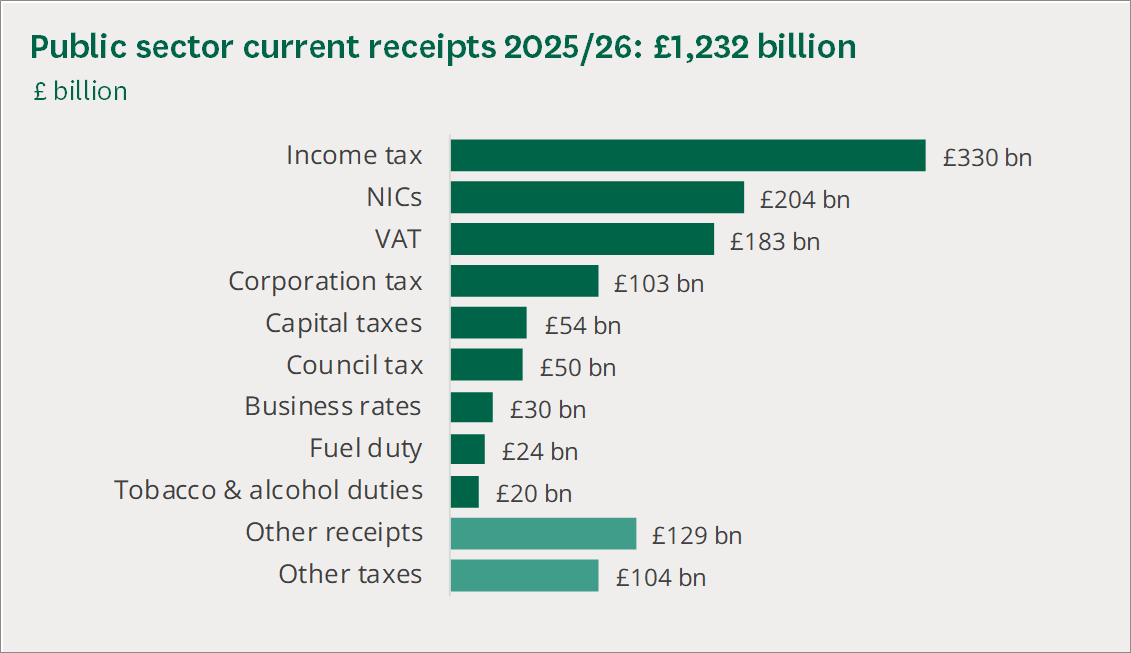
When the government wants to spend money, whether to fund public-sector wages (e.g. NHS staff, police and judges), invest in infrastructure (e.g. hospitals, schools and rail projects), or provide transfer payments (e.g. unemployment and disability benefits), that money has to come from somewhere. Its main source is from taxation, primarily from income tax, but also from other direct taxes, such as corporation tax and inheritance tax, as well as indirect taxes, such as VAT and excise duties.
Funding a deficit
But what if the government wants to spend more than it receives from these sources? Does it just have to stop spending as soon as it runs out of income?
Absolutely not.
When a government spends more than it receives in revenue, it runs a budget deficit (as opposed to a budget surplus, where it spends less than it earns). A deficit is funded by borrowing, and the UK government has run one since 2001. The government can borrow from individuals, firms, banks and other investors, with a promise to pay back what it borrowed, plus a little bit extra - which is called interest.
This is where bonds come in. The way a government borrows money from lenders to fund deficit spending is by issuing bonds, which are essentially IOUs. The government promises to repay the bond's face value at a certain point (this point is called maturity), while also making regular interest payments to the bondholder, typically every six months in the case of UK government bonds, known as gilts.
Yields
An important feature of a bond is its yield, which is the interest paid on the bond, divided by the market price (the current price the asset trades for), and then multiplied by 100.
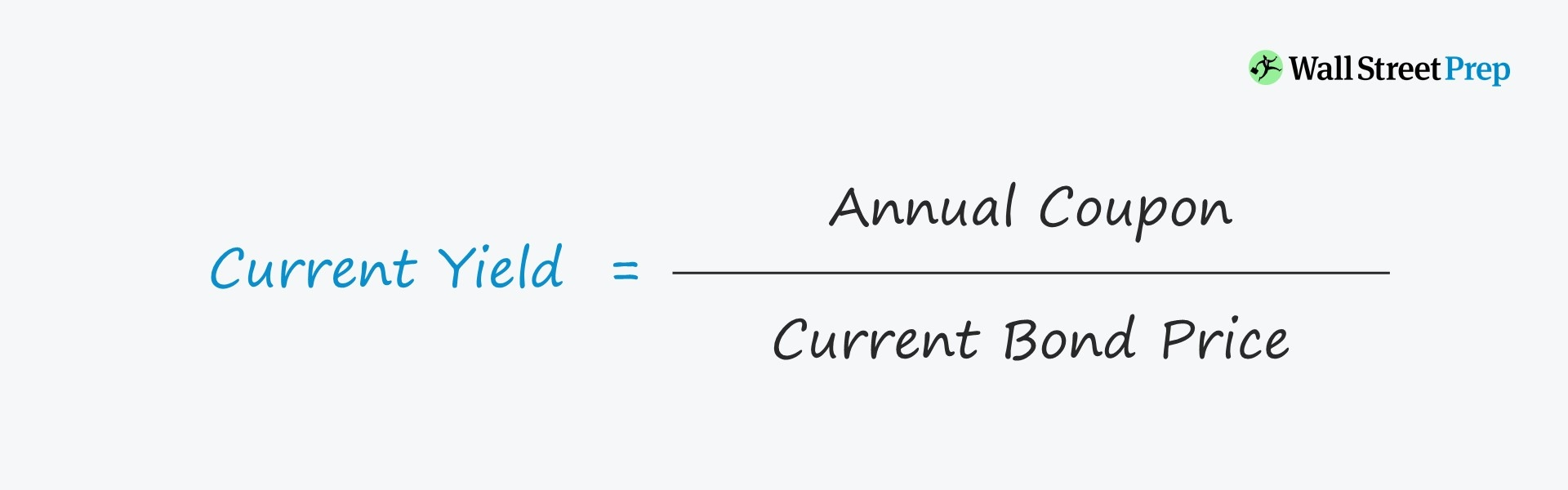
Notice the use of the term coupon, alongside yield. These are slightly different things. A bond's yield - an investor's return - isn't constant and changes over time. When the bond is first bought, the fixed interest the government promises to pay based on it's face value, is the coupon rate. Meanwhile, the yield is the actual return an investor receives based on current market prices, and this can fluctuate.
The role of market interest rates
Now, say Janet buys a bond with a face value of £1000 that matures in 4 years, with an annual coupon rate of 10%. Clearly, Janet will receive £100 every year until the bond matures.
However, what if, after two years, for some reason, market interest rates increase, say, to 15%?
Janet's bond will now be less attractive to investors. Why? A newly issued £1000 bond paying a 15% coupon would provide £150 a year, compared with the £100 offered by Janet's bond. Since Janet's bond still pays the same £100, investors would only be willing to buy it at a lower price.
In other words, when market interest rates rise, bond prices fall.
Conversely, if interest rates fall, Janet's £100 annual coupon becomes relatively more attractive. Investors would therefore be willing to pay more for her bond, causing its price to rise.
Inverse bond-price yield relationship
But why does this change in price even matter?
Although Janet's £100 annual coupon payment remains unchanged, the return an investor earns from the bond depends on how much they paid for it. This is its yield. If the bond's price falls from £1000 to £800, the same £100 annual payment represents a greater return relative to the amount paid.
(£100/£800) x 100 = 12.5%
The bond's yield has therefore risen from 10% to 12.5%, even though Janet's £100 payment has not changed.
As bond price falls, yield goes up. As bond price rises, yield goes down.
What does this mean for governments?
When yields are higher, the cost of borrowing can increase for governments, particularly when it comes to issuing new debt or refinancing existing debt. Higher debt-interest payments mean more government revenue has to be devoted to servicing debt, leaving less fiscal headroom for spending increases or tax cuts.
But what causes yields to rise?
Yields rise when the market price of bonds falls following a drop in investor demand. There are many reasons why this might happen. Changes in expectations about interest rates, inflation, economic growth and geopolitical risk can all affect bond prices.
Crucially, investors can also respond to the government's own economic policies. If they believe a government's borrowing plans are unsustainable, they may demand a higher return for lending to it.
This brings us to the rather ominously named "bond vigilantes".
Bond Vigilantes
Bond vigilantes are investors who sell government bonds when they believe a government's economic or fiscal policies are unsustainable, causing bond prices to fall and yields to rise, increasing the government's cost of borrowing. These investors pressurise governments following what they consider to be bad policy choices.
While there are benefits to signalling market sentiment and holding governments accountable, in this way, the bond market can act as a constraint on governments, with politicians having to tread the fine line between pursuing national economic ambitions and maintaining investor's confidence in the sustainability of government borrowing.
Liz Truss and the 2022 mini-budget

The power of the bond market became particularly relevant during Liz Truss's brief premiership in 2022.
Following the notorious "mini-budget", which proposed substantial tax-cuts without equivalent spending reductions, investors responded by a rapid selling of UK bonds, with gilt yields surging, increasing borrowing costs and contributing to a wider financial-market crisis.
This had severe consequences, including a plunge in the value of the pound, a need for Bank of England intervention and a political fallout resulting in the dismissal of Chancellor Kwasi Kwarteng, swiftly followed by Truss' own.
So...what about Andy Burnham?
Fast-forward to 2026, and the bond market is once again in the headlines.
Yields last Wednesday reached their highest point since the 2008 financial crash at 5.29%, amid growing fears from investors about rising inflation, and runaway deficits worldwide, intensified by a vulnerable geopolitical landscape of the Iran war and higher energy prices. These concerns have been compounded by scrutiny of a series of spending commitments made by Prime Minister, Andy Burnham.
This is why markets are paying such close attention to Burnham's economic plans, with several traders warning that Burnham is risking a "Truss moment", if he doesn't navigate the fiscal sphere with sufficient precaution.