Designed to Spend: The Hidden Economics of Supermarket Layouts
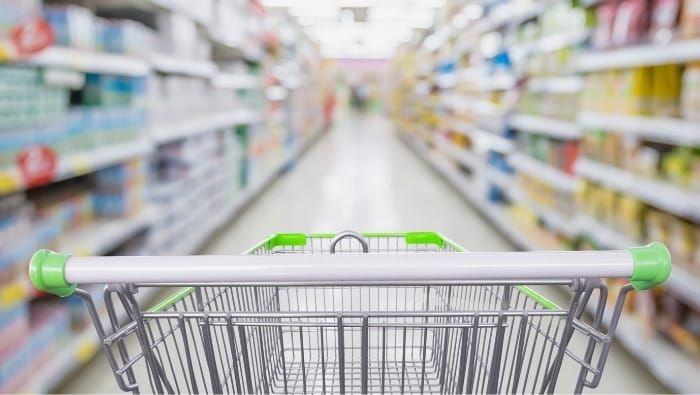
The next time you walk into a supermarket, look around. You might be thinking, ‘I always look around’, but I mean seriously, look. The name-brand items always directly at your eye level on the shelves, the brightly coloured displays at the end of each aisle, and the sweets, chewing gum and other impulse items by the checkout are not just by coincidence. Believe it or not, supermarkets spend a ridiculous amount of time deciding where products should be placed to influence consumer behaviour - strategising how they can get you to leave with more items than you planned.
It is important to understand that supermarkets are not just places for consumers to choose between products. Supermarkets are carefully thought out environments where the position, price and presentation of products can influence demand. This has already been proven - how many times have you grabbed a chocolate bar just because it’s by the checkout? For businesses, this matters a lot more than you think, because even a small increase in the number of products a customer buys, in aggregate, has a significant effect on revenue.
So if you want to save as much money as possible, how can you avoid these traps?
Well first, you have to know what to avoid.
The simplest ways supermarkets influence a customer's spending is through product placement. Products placed at eye level are a lot more likely to be noticed than products on higher or lower shelves. This way, firms have the opportunity to influence which products consumers consider when making a purchase. For supermarkets, as their objective is to gain as much revenue and profit as possible, this matters. A lot.
The psychology behind how supermarkets place their products all links to behavioural economics. Behavioural economics recognises that consumers do not always behave as rational decison-makers. The way choices are presented can influence what consumers notice, and ultimately what they buy. A study, in which evidence was submitted to the UK parliament, found that end-of-aisle displays increased sales of carbonated drinks by more than 50% (1) even after controlling for factors like price and promotions.
This is more significant than you realise. The product itself hasn’t changed, but the location has. Therefore, the increase in sales demonstrates how the environment of the supermarket can affect demand. For firms, this gives them the chance to increase sales without having to reduce the prices of their products.
However, as supermarkets have limited shelf space, this does mean that the location of a product has an opportunity cost. Giving one product a very visible placement does mean that another product is in turn less centralised. This creates an incentive for firms to allocate their most valuable spaces to products which are predicted to generate a greater return. You see, it’s all about profit maximisation. A merchandising expert in the Financial Times rightly stated that “eye level is buy level”, (2) as he went on to explain that lower-margin products tend to get pushed towards less visible shelves, whereas products that have stronger sales get more prominent positions.
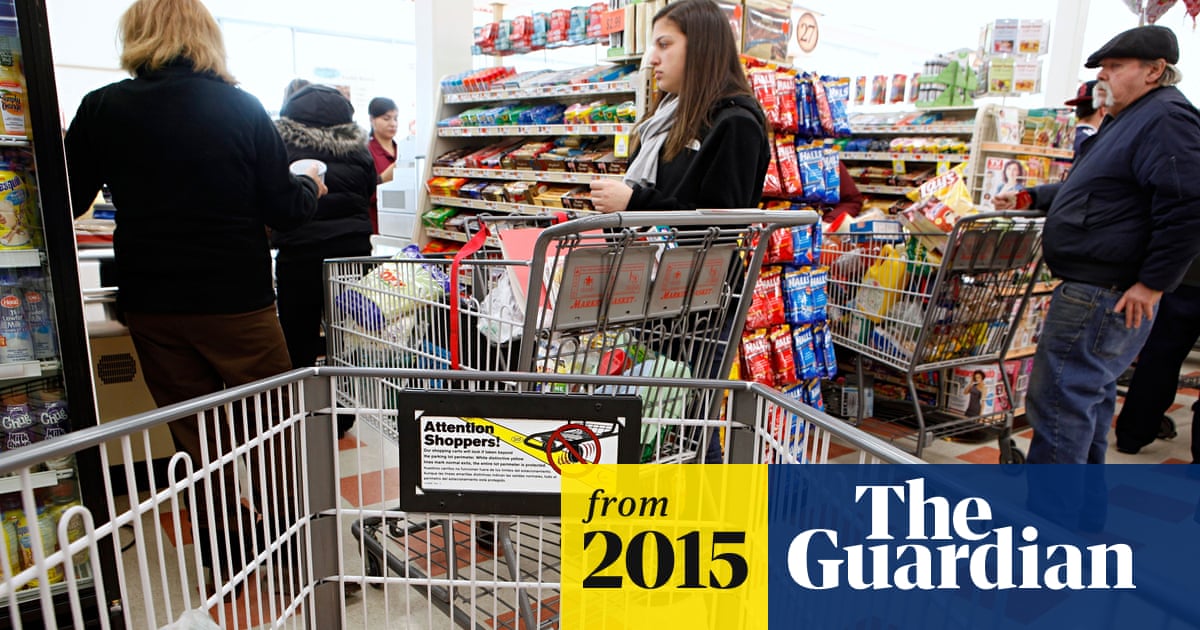
Once you get to the checkout, you might think you’re done shopping, but supermarkets have other plans for you. You know that two minute long wait you have before you reach the till? It might seem unimportant, but for supermarkets they utilise it to the maximum point by having all the small, inexpensive products placed there, such as sweets and snacks. A statistic from The Guardian found that checkout areas only accounted for around 1% of the average supermarket’s merchandising space, yet 4% of its profit (3). This shows us the importance of profit margins; a small amount of floor space generating a much larger amount of profit when it is used for products consumers are predicted to impulsively buy.
Nevertheless, it’s not just the location of products that influence spending. A Financial Times report found that research from the University of Bath in 2022 reported a 10% increase in sales during a week when music was placed in the background of supermarkets. Researcher Carl-Phillip Ahlbom explained that pleasant music can improve the shopping experience for a consumer, and that effect can become stronger later in the day (4).
Product placement is therefore not the only part of supermarket psychology. Supermarkets can also influence the environment in which consumers make decisions. Music, lighting and store layout can affect how long consumers stay in a shop and what they notice. The longer consumers spend in stores, the more opportunities firms have to increase their number of sales.
As a result, supermarkets are not simply responding to consumer demand, they’re also trying to mould it. Eye-level shelves, end-of-aisle displays, impulse buys at checkouts, music and store layout are all strategies firms use from their understanding of consumer behaviour to compete for our attention. So, the next time a product finds its way in your basket, don‘t just ask yourself “Why did I buy this?”, but also, ”Why was this the product I noticed?”.
By Ayesha Butt
References:
 Drew Harwell